
Introduction
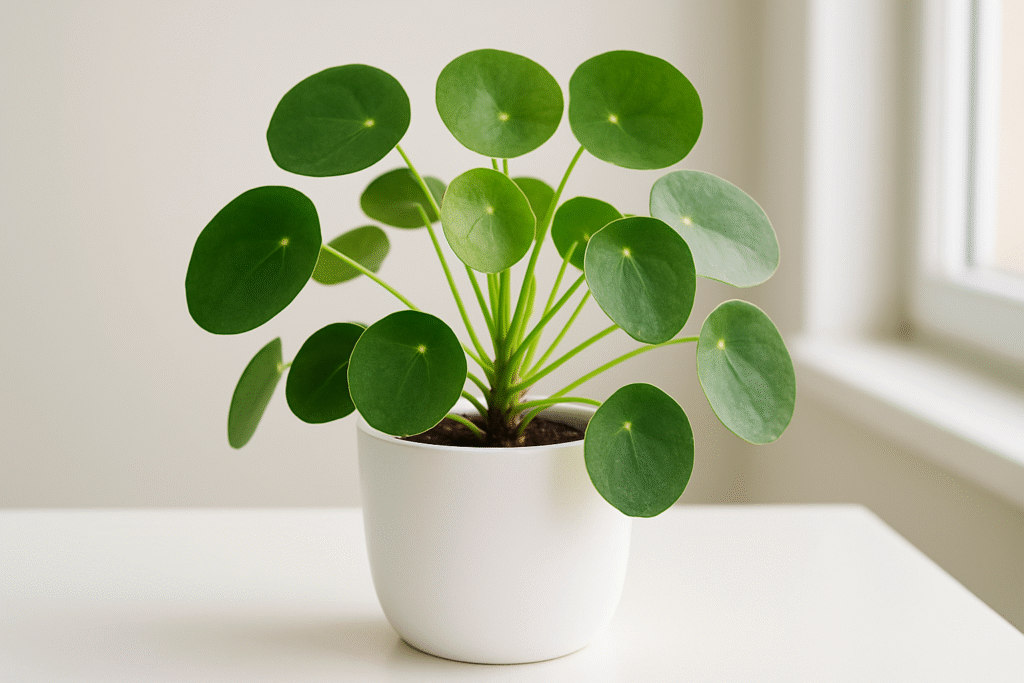
The Pilea Plant (Pilea peperomioides), also known as the Chinese Money Plant, Pancake Plant, or UFO Plant, is one of the most beloved indoor plants for its cute, coin-shaped leaves and easygoing nature. Originating from the Yunnan province of China, it has become a global favorite for its unique round foliage, compact growth, and symbolism of prosperity and friendship.
With its attractive appearance and minimal care requirements, the Pilea Plant is an excellent choice for beginners and seasoned gardeners alike. It not only brings charm to indoor spaces but also purifies the air, creating a healthier environment.
Appearance and Characteristics
The Pilea Plant has a distinct and modern look — featuring bright green, circular leaves that grow on long, slender stems. These leaves resemble coins or pancakes, which is why it’s often called the Pancake Plant.
Key Features:
- Scientific Name: Pilea peperomioides
- Common Names: Chinese Money Plant, Pancake Plant, UFO Plant
- Plant Type: Perennial evergreen
- Native Region: Southern China
- Mature Height: 8 to 12 inches indoors
- Growth Habit: Upright and compact
Its symmetrical, geometric appearance makes it perfect for minimalist or Scandinavian-style interiors.
Ideal Growing Conditions
1. Light Requirements
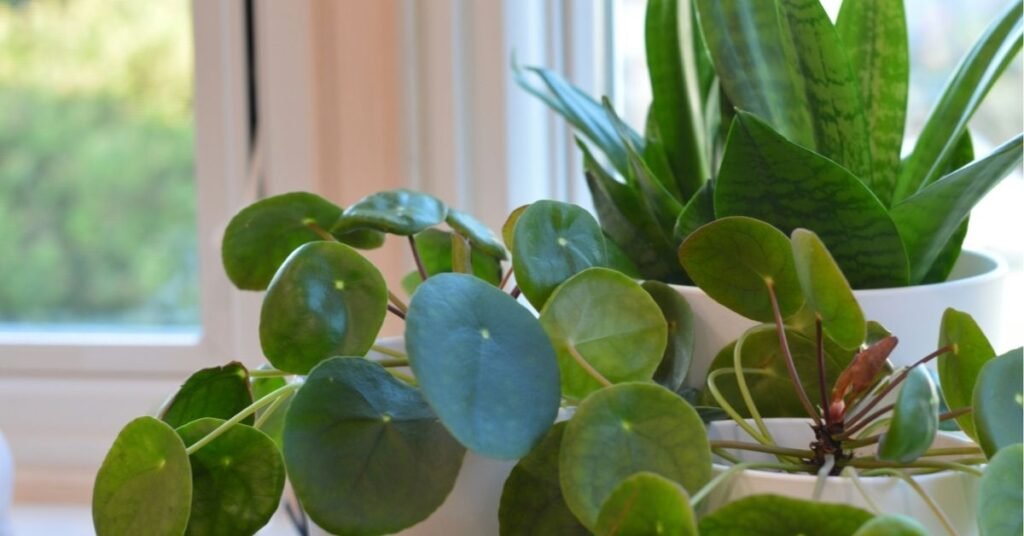
The Pilea thrives in bright, indirect light. A spot near an east-facing window works perfectly. Avoid harsh, direct sunlight, which can cause leaf burn.
If your home has low light, rotate the plant occasionally to ensure even growth. You can also use a grow light if natural light is limited.
2. Temperature
Keep your Pilea in a moderate temperature range between 60°F to 75°F (16°C–24°C). It dislikes extreme cold or hot conditions, so avoid placing it near heaters, air conditioners, or drafty windows.
3. Humidity
The Pilea Plant tolerates average household humidity well. However, in dry seasons, especially winter, you can mist the leaves once or twice a week to maintain moisture levels.
Watering the Pilea Plant
Watering plays a major role in the plant’s health. The Pilea prefers slightly moist soil but should never sit in water.
Watering Tips:
- Water once the top inch of soil feels dry.
- Ensure good drainage to avoid root rot.
- Reduce watering frequency during winter.
- Always empty the saucer after watering.
Overwatering is the most common cause of problems for Pileas — remember, it’s better to underwater slightly than to overwater.
Best Soil Mix
Pilea loves well-draining soil that allows airflow to the roots. The ideal mix is:
- 2 parts potting soil
- 1 part perlite
- 1 part coconut coir or peat moss
This combination provides perfect moisture balance and prevents soggy conditions.
You can also add a bit of sand or pumice for extra aeration.
Fertilizing the Pilea
Feed your Pilea every 2–4 weeks during the growing season (spring to early autumn) with a balanced liquid fertilizer diluted to half strength. Avoid overfertilizing, which can lead to leaf discoloration.
During the winter months, stop fertilizing, as the plant’s growth naturally slows down.
Pruning and Maintenance
Pruning helps maintain the Pilea’s shape and encourages new growth.
Maintenance Tips:
- Remove any yellow or damaged leaves promptly.
- Pinch off tall stems to encourage bushier growth.
- Rotate the pot weekly so all sides receive light evenly.
- Wipe leaves gently with a damp cloth to remove dust.
This not only keeps the plant healthy but also gives it a fuller appearance.
Repotting the Pilea
Repot your Pilea every 1–2 years or when the roots start growing out of the drainage holes.
Repotting Steps:
- Choose a pot 1–2 inches larger than the current one.
- Gently remove the plant and shake off old soil.
- Place it in fresh, well-draining potting mix.
- Water lightly after repotting.
Repotting in spring is ideal since that’s when the plant actively grows.
Propagation: Making New Pilea Babies
One of the best things about the Pilea Plant is how easily it propagates! It produces little offshoots called pups or babies that grow around the base of the main plant.
How to Propagate:
- Wait until the pups are at least 2–3 inches tall.
- Gently separate them from the mother plant using a clean knife or scissors.
- Place each pup in a small pot with moist soil.
- Keep them in bright, indirect light and mist occasionally.
Within a few weeks, the pups will develop strong roots and become independent plants. Propagating Pilea is a fun and rewarding process — many plant lovers gift these “money babies” to friends as a symbol of prosperity and friendship.
Common Problems and Solutions
| Problem | Cause | Solution |
|---|---|---|
| Yellow leaves | Overwatering | Let soil dry and reduce watering |
| Drooping leaves | Underwatering or temperature stress | Check moisture and keep away from drafts |
| Curling leaves | Too much direct sunlight | Move to bright, indirect light |
| Brown leaf spots | Hard water or overfertilization | Use filtered water and reduce fertilizer |
| Slow growth | Low light | Relocate to a brighter spot |
With a little observation and consistent care, these issues are easy to manage.
Benefits of the Pilea Plant
- Air Purification: Helps remove toxins and improves air quality.
- Symbol of Prosperity: Known as the Chinese Money Plant, it’s considered lucky and brings wealth.
- Easy Propagation: Produces many pups for gifting or sharing.
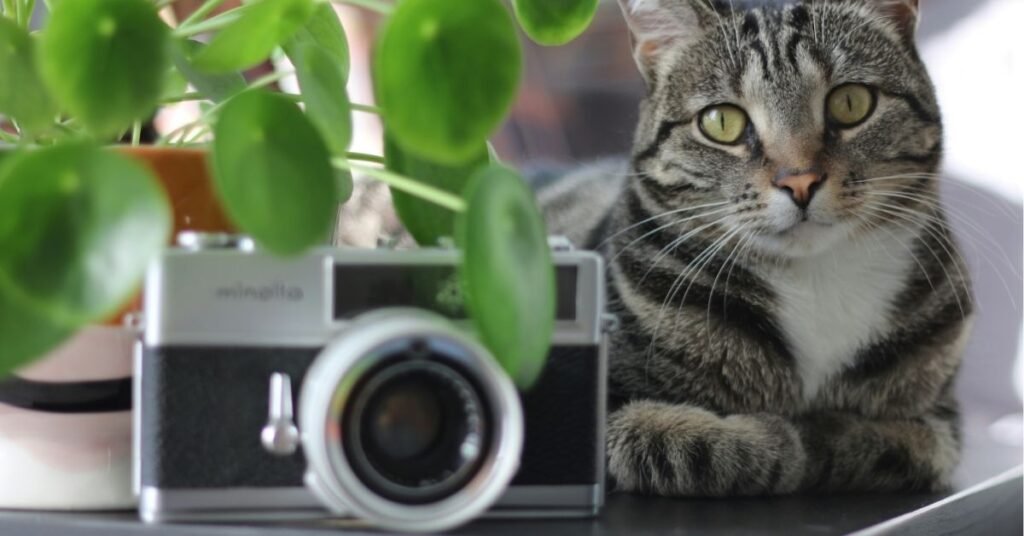
- Pet-Friendly: Non-toxic to cats and dogs.
- Decorative Appeal: Perfect for modern interiors and minimalistic decor.
- Low Maintenance: Ideal for busy plant parents.
Perfect Placement Ideas
- Place it on a window sill with indirect sunlight.
- Display it on office desks for positivity and productivity.
- Add it to kitchen counters or shelves for a refreshing look.
- Pair it with white pots or modern planters to highlight its geometric leaves.
Frequently Asked Questions (FAQs)
Q1: Why are the leaves of my Pilea Plant turning yellow?
A: Overwatering is the main reason. Let the top inch of soil dry before watering again and ensure proper drainage.
Q2: How often should I rotate my Pilea Plant?
A: Rotate it once a week so all sides receive equal light and the plant grows evenly.
Q3: Can Pilea survive in low light?
A: It can tolerate low light for short periods but thrives best in bright, indirect light.
Q4: How do I make my Pilea Plant bushier?
A: Pinch off the top growth tips regularly to encourage branching and a fuller appearance.
Q5: Is the Pilea Plant safe for pets?
A: Yes, it’s non-toxic to both cats and dogs — making it perfect for pet-friendly homes.
Q6: When should I repot my Pilea?
A: Repot every 1–2 years in spring when you notice roots emerging from drainage holes or slowed growth.
Conclusion
The Pilea Plant (Chinese Money Plant) is a stunning, easy-care indoor plant that fits perfectly into any space. With its iconic round leaves, it not only enhances home decor but also symbolizes luck, prosperity, and friendship.
Whether you’re a beginner or an experienced plant parent, the Pilea offers joy, greenery, and the satisfaction of growing new baby plants. With proper care — balanced watering, bright indirect light, and occasional feeding — your Pilea will stay healthy and beautiful all year long.
Bring one into your home or office, and let this cheerful plant add natural charm and positive energy to your surroundings.