
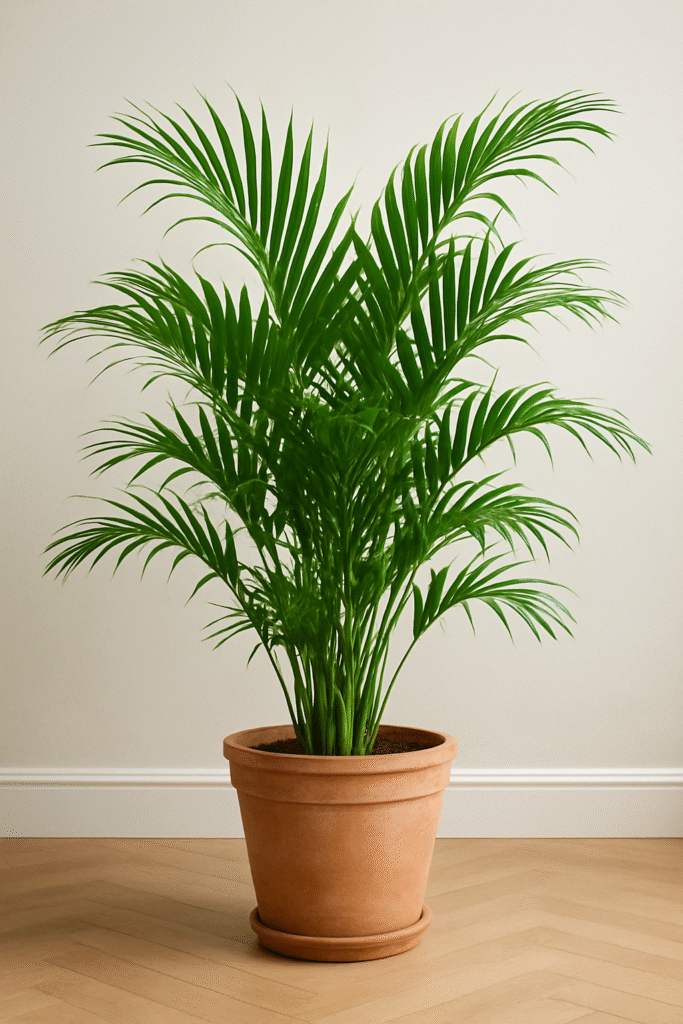
Palm plants are one of the most elegant and exotic-looking ornamental plants, famous for giving homes and landscapes a luxurious tropical feel. From outdoor landscaping to indoor decoration, palm plants have been used for centuries due to their unique leaf structure, lush greenery, and low-maintenance nature.
Palm belongs to the Arecaceae family and includes hundreds of species ranging from dwarf indoor palms to tall outdoor varieties. Known for air-purifying qualities and graceful appearance, palms enhance home décor and create a refreshing natural environment.
If you want to grow palm plants indoors or outdoors successfully, this detailed guide will help you understand everything — soil, light, watering, fertilization, propagation, and maintenance.
Types of Palm Plants
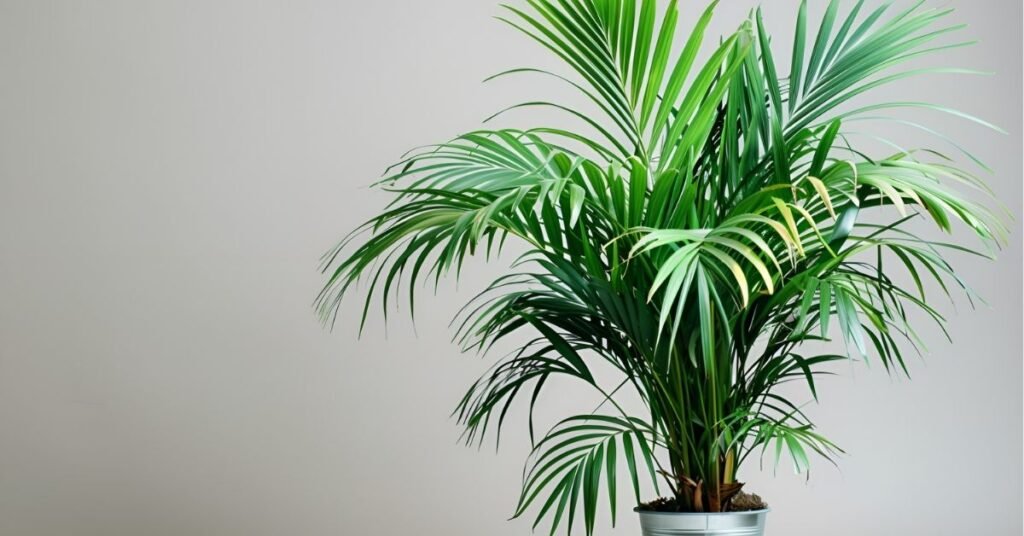
1. Areca Palm
- Popular indoor palm
- Feather-shaped leaves
- Excellent air-purifying plant
2. Majesty Palm
- Large, tropical look
- Requires bright light
- Perfect for big living spaces
3. Parlor Palm
- Compact & low-maintenance
- Best for beginners
- Tolerates low light
4. Bamboo Palm
- Bamboo-like stems
- Excellent air purifier
- Great for offices and indoor décor
5. Sago Palm
- Palm-like but belongs to Cycad family
- Slow-growing
- Luxurious centerpiece plant
Light Requirements
Palm plants prefer bright, indirect sunlight.
Indoor: bright but filtered light
Outdoor: morning sun + partial shade
Avoid harsh afternoon direct sun indoors (leaf burn risk)
Soil Requirements
Healthy growth requires loose, rich, and well-draining soil.
Best Soil Mix
- 40% garden soil
- 30% compost / organic matter
- 20% coco peat
- 10% sand / perlite
Ensure drainage holes in pots.
Watering Schedule
Palms love moisture but hate soggy soil.
Water when top 2 inches of soil dries
Do not overwater
Mist leaves for humidity
Tip: Yellow drooping leaves = overwater
Brown crispy leaves = underwater or dry air
Temperature & Humidity
Palm plants thrive in warm climates.
Ideal Temperature: 18–30°C
High humidity preferred
Avoid cold winds and frost
In winter, move indoor palms away from cold windows.
Fertilizing Palm Plants
Palms grow better with regular organic feeding.
Best Fertilizers
- Liquid seaweed solution
- Compost tea every 4 weeks
- Balanced NPK once a month in growing season
Avoid overuse — can burn leaves
Pot Size & Repotting
Choose a deep pot — palm roots grow downwards
Repot every 2–3 years
Use bigger container each time

Pruning & Maintenance
Remove dry, yellow, brown leaves
Clean leaves to avoid dust
Don’t cut the center growing crown — plant may die
Propagation
1. Division (offshoot separation)
Best method for houseplants like Areca Palm.
2. Seeds
Slow germination — suitable for outdoor varieties.
Common Problems & Solutions
| Issue | Reason | Solution |
|---|---|---|
| Yellow leaves | Overwatering | Dry soil, improve drainage |
| Brown leaf edges | Low humidity / excess fertilizer | Mist leaves, reduce feeding |
| Drooping | Underwatering / root stress | Maintain moisture |
| Slow growth | Low light / poor soil | Move to bright light, fertilize |
Pests & Diseases
Common pests:
- Spider mites
- Scale insects
- Mealybugs
Neem oil spray weekly
Wipe leaves with soapy water
Diseases:
- Root rot (too much water)
- Leaf spot fungus
Keep soil airy & avoid wet leaves.
Benefits of Palm Plants
Improves air quality
Enhances home décor
Gives tropical luxury feel
Has calming and refreshing presence
Ideal for living rooms, bedrooms, offices & patios
Top Tips for Healthy Growth
Bright, filtered light
Keep soil slightly moist
Use organic fertilizers
Maintain humidity
Avoid cutting central crown
Conclusion
Palm plants add a touch of elegance, calmness, and tropical beauty to any home or garden. They are easy to maintain, stunning in appearance, and excellent air purifiers. With proper watering, light, and soil, palm plants thrive beautifully indoors and outdoors.
Bring home a palm plant and enjoy a lush, refreshing green space every day!
Frequently Asked Questions (FAQs)
1. Is palm plant good for indoor use?
Yes! Areca Palm, Parlor Palm, and Bamboo Palm are great indoor options.
2. How often should I water palm plants?
Water when the top soil feels dry — avoid overwatering.
3. Can palms grow in low light?
Parlor Palm can survive low light, but all palms grow better in bright light.
4. Why do palm leaves turn brown?
Low humidity, underwatering, or fertilizer burn.
5. Can palm plants purify air?
Yes, especially Areca and Bamboo Palm — they filter toxins.
6. Can I cut brown palm leaves?
Yes, but never cut the center crown.
7. Are palm plants safe for pets?
Areca & Parlor Palm are safe; Sago Palm is toxic.
8. How often should I fertilize?
Once a month in growing season.