
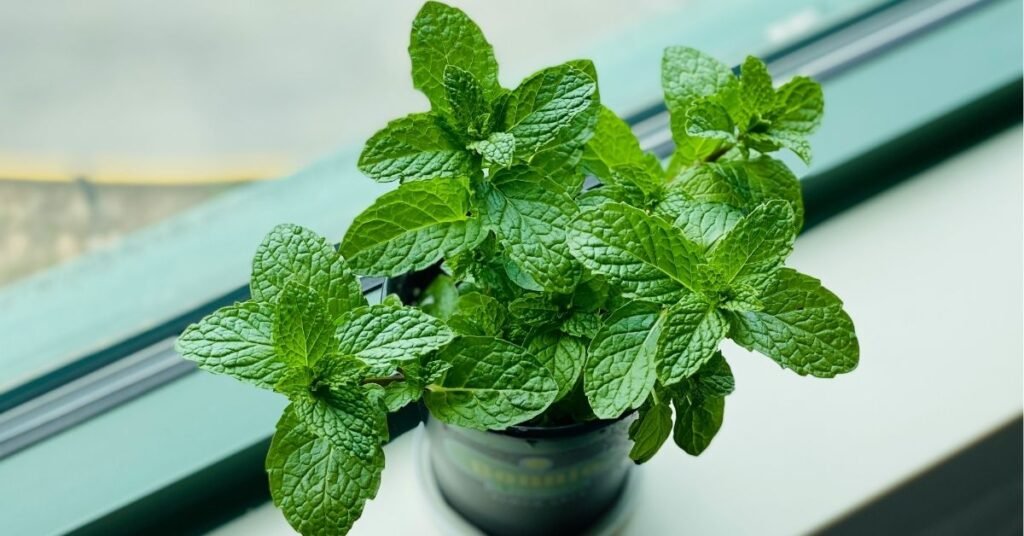
Mint (Mentha) is one of the most popular and versatile herbs grown around the world. Known for its refreshing fragrance, cooling flavor, and countless culinary and medicinal uses, mint is a must-have plant for every garden enthusiast. Whether you have a big garden, a balcony, or a small indoor pot, mint grows easily and spreads vigorously.
This comprehensive guide explains everything about the mint plant — including its benefits, types, growing methods, soil requirements, watering schedule, sunlight needs, propagation tips, pests & diseases, harvesting techniques, and valuable expert care tips.
What is Mint Plant?
Mint is a hardy perennial herb belonging to the Lamiaceae family. It has bright green leaves, square stems, and a fresh menthol aroma. Mint grows quickly and spreads through runners, making it ideal for beginners.
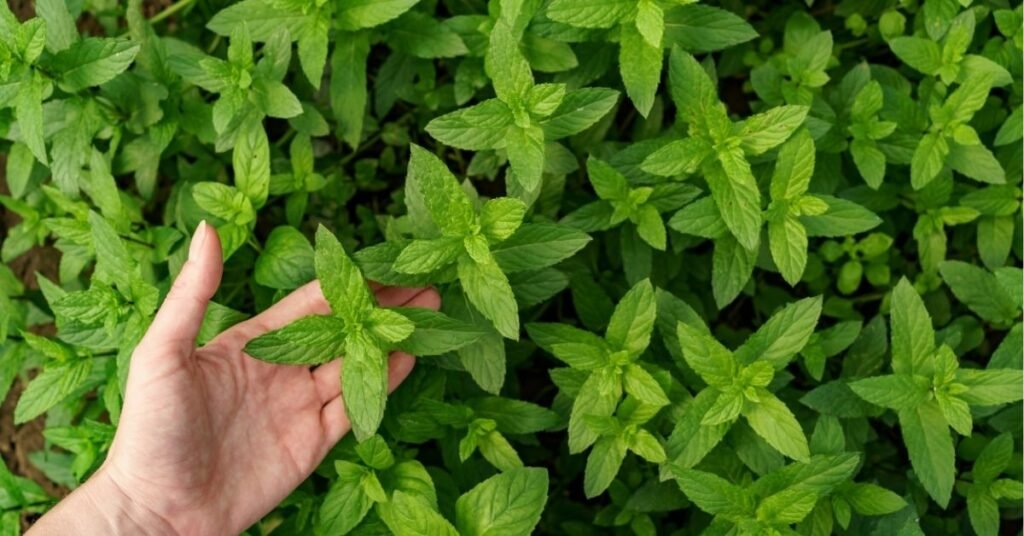
Botanical Name: Mentha
Family: Lamiaceae
Plant Type: Perennial herb
Growing Difficulty: Very easy
Aroma & Flavor: Refreshing, cooling, slightly sweet
Popular Types of Mint
Peppermint (Mentha piperita)
Strong menthol flavor, great for tea and medicines.
Spearmint (Mentha spicata)
Mild taste, used in chutneys, salads, and cooking.
Apple Mint
Soft fuzzy leaves with fruity fragrance.
Chocolate Mint
Minty-chocolate aroma, ideal for desserts and teas.
Lemon Mint
Fresh lemon aroma, perfect for drinks.
Benefits of Mint
Culinary
- Chutneys, salads, teas, lemonade
- Garnishes and sauces
Medicinal
- Good for digestion
- Relieves nausea & cold
- Freshens breath
- Antibacterial & soothing
Other Uses
- Natural mosquito repellent
- Used in essential oils & cosmetic products
Ideal Growing Conditions
Climate
Prefers 15°C – 30°C and partial shade.
Soil
- Loamy, fertile, well-drained soil
- pH: 6.0–7.0
- Add compost for best growth
Best soil mix
- 50% Garden soil
- 30% Compost
- 20% Cocopeat/Sand
Planting Mint
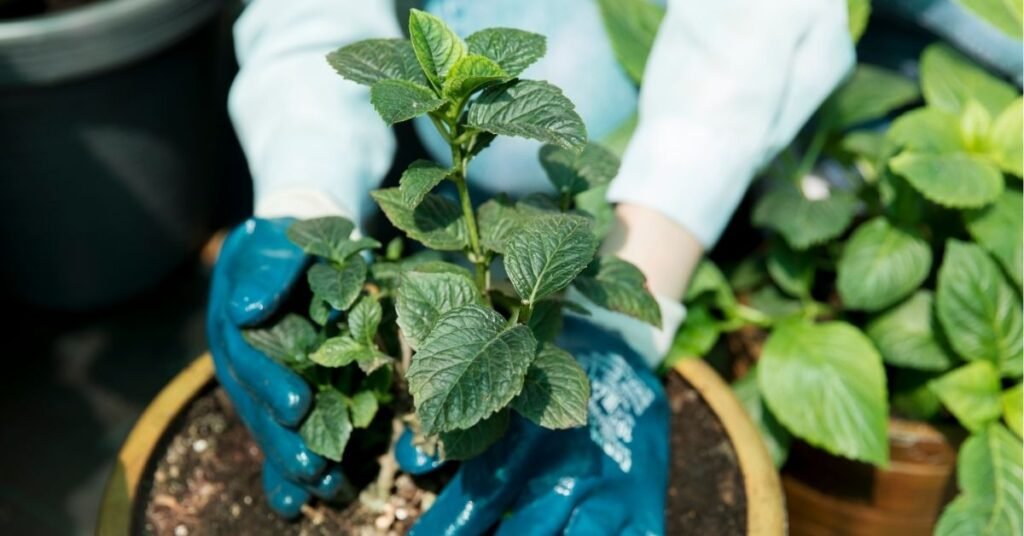
From Cuttings
- Cut 6-inch stem
- Remove lower leaves
- Root in water (5-7 days)
- Transplant to soil
In Pots
Use 8–10 inch deep pot to control spreading.
Watering
- Keep soil evenly moist — not soggy
- Water when top layer feels dry
Summer: daily / alternate day
Winter: 2–3 times/week
Sunlight
- 4–6 hours direct or filtered sunlight
- Afternoon shade in hot climate helps
Fertilizing
Use organic fertilizers every 30 days:
- Compost
- Vermicompost
- Cow dung fertilizer
- Seaweed extract
- Compost tea
Avoid excessive chemical fertilizer.
Pruning & Maintenance
- Trim tips weekly for bushy shape
- Remove flower buds to maintain flavor
Propagation Methods
- Stem cutting
- Root division
- Runners
Root division
Uproot, divide, and replant — boosts spreading.
Pests & Diseases
Pests
- Aphids
- Whiteflies
- Spider mites
Treatment: Neem oil / soap spray
Diseases
- Root rot (overwatering)
- Powdery mildew
Ensure good airflow & drainage.
Harvesting Mint
- Ready in 4–6 weeks
- Pick top leaves/stems
- Never harvest more than 1/3 at once
- Best time: morning
Storage
- Wrap in damp towel (refrigerate)
- Air-dry leaves & store
- Freeze in ice-trays
Indoor Growing Tips
- Bright indirect light
- Wide pot
- Moist soil
- Drainage holes
Common Problems & Solutions
| Issue | Reason | Fix |
|---|---|---|
| Yellow leaves | Overwatering | Reduce watering |
| Leggy stems | Low light | Provide sunlight & prune |
| Wilting | Poor drainage | Change soil / pot |
| Bitter leaves | Flowering | Remove buds |
Best Companion Plants
Grow mint near:
- Tomatoes
- Cabbage
- Carrots
- Beans
Don’t plant directly in ground without barrier — spreads fast.
Uses of Mint
Kitchen
- Tea, chutney, salads, juices
- Garnishing
Medicinal
- Digestive relief
- Coolant
- Cough relief
Aromatic
- Oils
- Beauty products
- Air freshener
Expert Tips
- Grow in a pot to control spread
- Keep soil moist
- Prune weekly
- Add compost monthly
- Partial shade gives lush growth
Conclusion
Mint is one of the easiest herbs to grow and incredibly beneficial. With minimal care — watering, compost, and pruning — you get evergreen leaves for your kitchen and health. Whether in a garden or small pot, mint brings freshness and aroma to your home all year round.
Frequently Asked Questions (FAQs)
1. Is mint easy to grow?
Yes, mint is one of the easiest herbs to grow and ideal for beginners.
2. Does mint need full sun?
Mint prefers 4–6 hours sunlight and partial shade.
3. Can mint grow indoors?
Yes, place it near a bright window and keep soil moist.
4. How often should I water mint?
When top soil feels dry. More in summer, less in winter.
5. Why are my mint leaves turning yellow?
Mostly due to overwatering or poor soil drainage.
6. How do I make mint bushy?
Regularly trim top growth and remove flowers.
7. Can I grow mint from store-bought stems?
Yes, you can root them in water easily.
8. How long does mint take to grow?
Ready to harvest in 4–6 weeks.