
Introduction
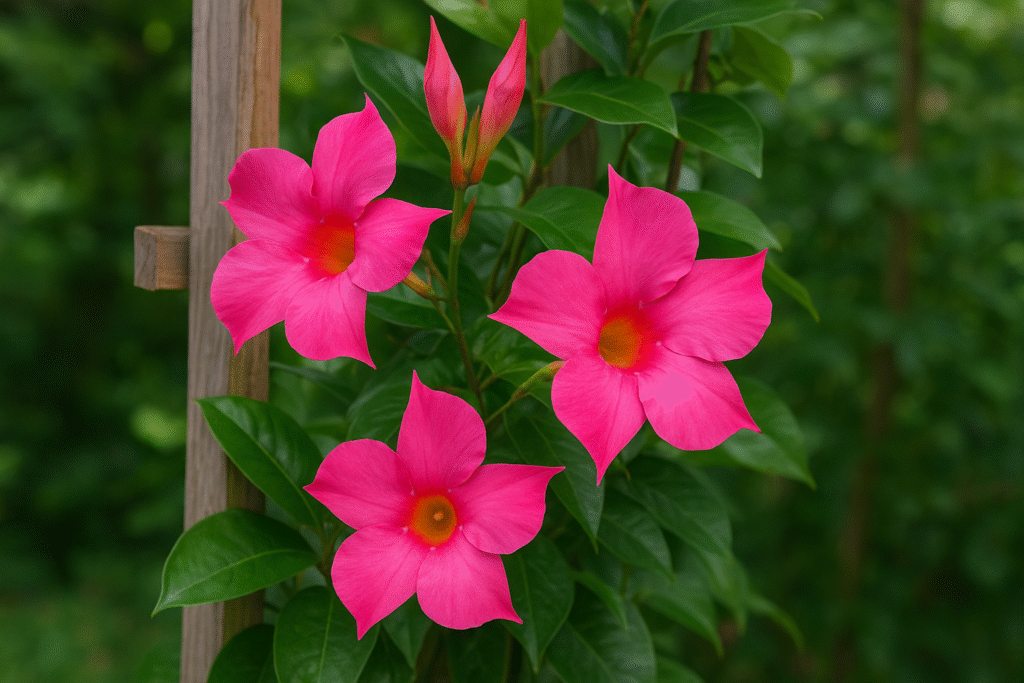
The Mandevilla plant, often known as the rock trumpet, is one of the most charming tropical vines that can instantly transform any garden or balcony into a vibrant paradise. With its glossy green leaves and trumpet-shaped blooms in shades of pink, red, white, and yellow, Mandevilla adds a dramatic touch to outdoor and indoor spaces alike. This plant is native to Central and South America, thriving in warm, humid climates where it can climb, trail, and flourish throughout the growing seasonIf you’re looking for a low-maintenance yet stunning flowering vine to brighten your home or garden, Mandevilla is a perfect choice. Let’s explore everything you need to know about growing, caring for, and enjoying this tropical gem.
Understanding the Mandevilla Plant
Mandevilla belongs to the Apocynaceae family, which also includes oleander and periwinkle. It’s a climbing vine, meaning it loves to twine around trellises, fences, and supports, making it an ideal plant for creating living walls or lush, floral backdrops.
Its flowers are large and trumpet-shaped, measuring up to 4 inches across. Depending on the variety, you can find Mandevilla in different colors — from deep crimson to pastel pinks and pure whites. The glossy leaves provide a striking contrast, giving the plant a tropical and luxurious appeal.
In tropical regions, Mandevilla grows as a perennial, flowering from late spring through fall. In cooler climates, it’s often grown as an annual or brought indoors during winter.
Popular Varieties of Mandevilla
There are several stunning varieties of Mandevilla available, each with its unique characteristics:
1. Mandevilla ‘Alice du Pont’
This is one of the most popular varieties known for its large, pink blooms and vigorous growth. It’s perfect for training over trellises and pergolas.
2. Mandevilla ‘Red Riding Hood’
As the name suggests, this variety features bright red flowers and compact growth, making it great for pots and hanging baskets.
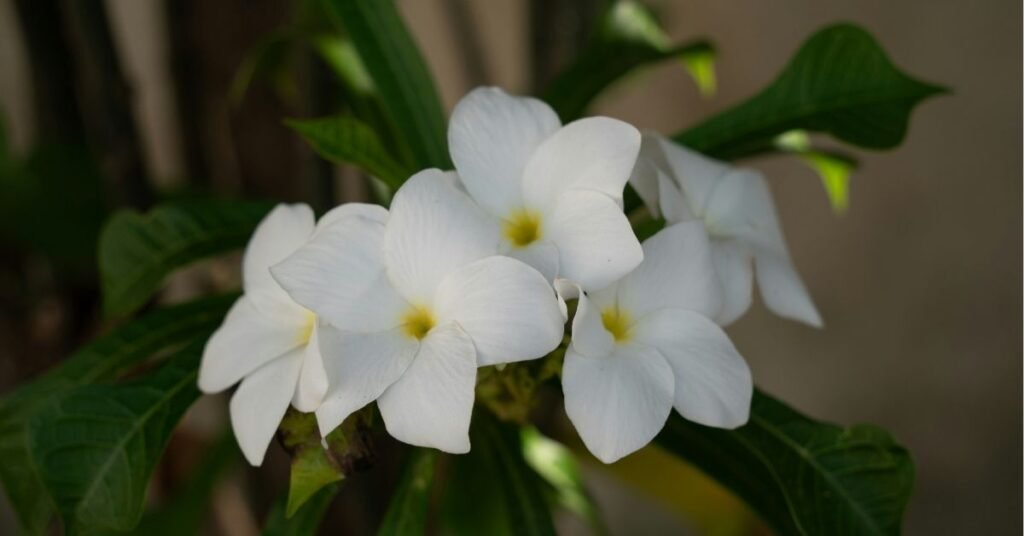
3. Mandevilla ‘White Delight’
A beautiful white-flowering variety that adds elegance and freshness to any garden setting.
4. Mandevilla ‘Sun Parasol’ Series
This hybrid series includes multiple colors and compact growth habits, ideal for smaller gardens or patios.
How to Grow Mandevilla
1. Ideal Growing Conditions
Mandevilla loves warm, sunny locations. It thrives best in temperatures between 65°F to 80°F (18°C–27°C). It requires at least 6 hours of sunlight daily to produce abundant blooms. However, in very hot climates, a little afternoon shade helps prevent leaf scorch.
2. Soil Requirements
The plant prefers well-draining, rich soil. A good mix includes potting soil, peat moss, and perlite. This combination retains enough moisture while ensuring proper drainage — essential to prevent root rot.
3. Watering
Mandevilla enjoys moist soil, but it doesn’t like standing water. Water regularly, especially during the growing season, but let the top inch of soil dry out between watering sessions. Overwatering can damage the roots and cause yellowing leaves.
4. Fertilization
To encourage lush growth and continuous flowering, feed the plant every two weeks during spring and summer using a balanced liquid fertilizer (10-10-10 or 20-20-20). Reduce feeding in fall and winter when growth slows.
5. Pruning and Training
Regular pruning keeps the plant healthy and encourages new blooms. Trim back dead or weak stems in early spring before the growing season begins. Mandevilla naturally climbs, so provide a trellis or stake for support.
How to Grow Mandevilla Indoors
If you live in a region with cold winters, Mandevilla can easily be grown indoors in containers. Place it near a sunny window where it gets bright, indirect light. Maintain humidity by misting the leaves or placing the pot on a tray filled with pebbles and water.
During the indoor growing season, keep the plant warm and avoid exposing it to cold drafts. Once spring returns and temperatures remain above 60°F, you can move it back outdoors.
Propagation of Mandevilla
Propagating Mandevilla is simple and rewarding. The most common method is through stem cuttings:
- Take a 4- to 6-inch cutting from a healthy stem just below a leaf node.
- Remove the lower leaves and dip the cut end in rooting hormone.
- Plant the cutting in a small pot filled with moist potting mix.
- Cover it with a plastic bag or dome to maintain humidity.
- Place it in a warm spot with indirect light.
Roots usually develop within 3–4 weeks. Once new growth appears, transplant the cutting into a larger pot or your garden.
Common Problems and Solutions
Even though Mandevilla is generally a hardy plant, it can occasionally face some issues:
1. Yellow Leaves
This is usually a sign of overwatering or poor drainage. Make sure the soil dries slightly between watering.
2. Pest Infestation
Aphids, spider mites, and whiteflies sometimes target Mandevilla. To combat them, spray the plant with neem oil or insecticidal soap every few days until the pests disappear.
3. Lack of Flowers
If your plant has lush foliage but no blooms, it might not be getting enough sunlight or nutrients. Increase light exposure and feed it with a bloom-boosting fertilizer high in phosphorus.
Overwintering the Mandevilla
Mandevilla cannot tolerate frost. Before the first frost arrives, bring the plant indoors or place it in a sheltered greenhouse. Cut it back by one-third to make handling easier, and inspect for pests before bringing it inside.
During winter, water sparingly — just enough to keep the soil slightly moist. Avoid fertilizing until spring, when new growth starts.
Benefits of Growing Mandevilla
Mandevilla isn’t just a pretty face — it offers several benefits:
- Enhances aesthetic appeal: Perfect for adding tropical charm to patios, fences, and balconies.
- Attracts pollinators: Bees, butterflies, and hummingbirds love its nectar-rich blooms.
- Low maintenance: Once established, it requires minimal care.
- Air purification: Like many plants, Mandevilla helps improve air quality indoors.
Decorating Ideas with Mandevilla
Mandevilla’s climbing habit makes it an excellent choice for creative garden design. You can:
- Train it around arches or trellises for a romantic garden look.
- Plant it in hanging baskets for cascading color.
- Use it as a centerpiece on patios or balconies with tall decorative supports.
- Mix it with other tropical plants like hibiscus or bougainvillea for a lush, layered effect.
Conclusion
The Mandevilla plant is a true tropical treasure — beautiful, fragrant, and surprisingly easy to grow. Whether you have a large garden, a cozy balcony, or a sunny indoor space, Mandevilla can bring a burst of color and elegance to your home.
By providing it with the right sunlight, soil, and care, you’ll enjoy months of spectacular blooms that capture the essence of summer. So, if you’re looking to add an exotic flair to your garden, let the Mandevilla vine climb into your heart and your home.