
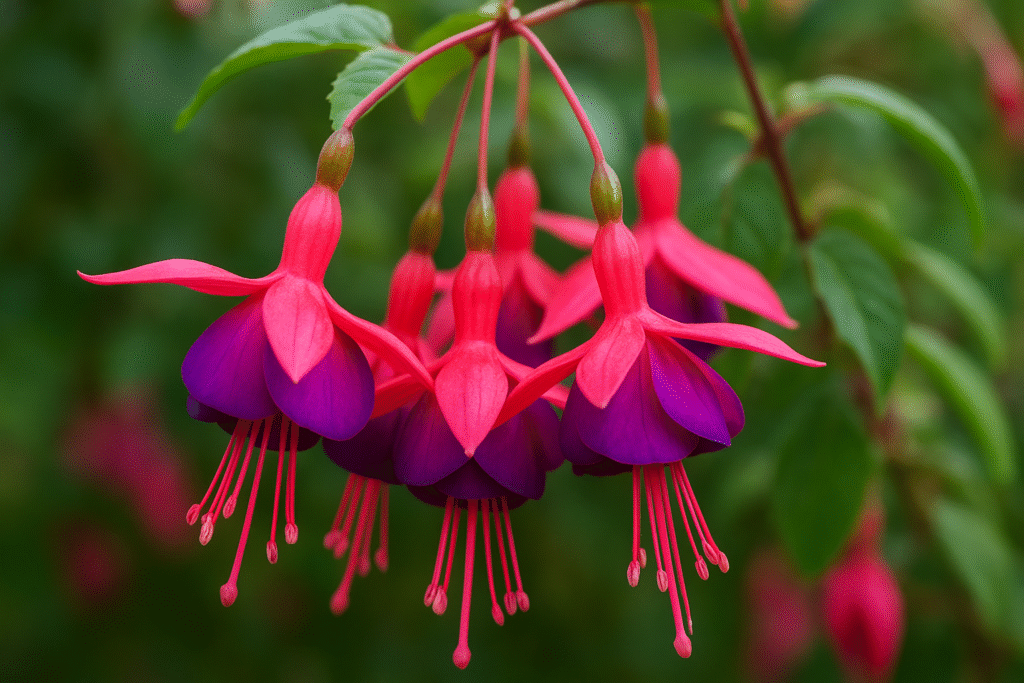
The Fuchsia plant is one of the most graceful and eye-catching flowering plants, known for its hanging, bell-shaped blooms that look like tiny dancing ballerinas. These vibrant flowers come in stunning shades of pink, purple, red, and white, making them a favorite among home gardeners and landscape enthusiasts. Whether grown in hanging baskets, pots, or garden beds, Fuchsias add a beautiful touch of color and charm to any space.
In this article, we’ll explore everything you need to know about growing, caring for, and maintaining the Fuchsia plant — from light and soil needs to watering, pruning, and propagation.
What Is a Fuchsia Plant?
The Fuchsia plant belongs to the Onagraceae family, which includes over 100 species and countless hybrids. Native to Central and South America, as well as New Zealand and Tahiti, these plants thrive in cool, mild climates. They are primarily grown as ornamental plants for their drooping tubular flowers that attract hummingbirds and butterflies.
Fuchsias can be annuals or perennials depending on the climate. In warmer regions, they can grow year-round, while in colder climates, they may die back in winter but regrow in spring.
Popular Varieties of Fuchsia
There are many beautiful varieties of Fuchsia, each with unique color patterns and flower shapes. Some of the most popular ones include:
1. Fuchsia magellanica
Also known as the hardy Fuchsia, this variety can tolerate cooler temperatures and is often grown as a perennial shrub.
2. Fuchsia triphylla
Known for its long, tubular flowers in shades of red and orange, this variety is perfect for attracting hummingbirds.
3. Fuchsia ‘Dollar Princess’
A double-flowered hybrid that produces striking purple and pink blooms — ideal for hanging baskets.
4. Fuchsia ‘Swingtime’
One of the most recognized varieties with white petals and red sepals, offering a dramatic contrast.
Ideal Growing Conditions
To keep your Fuchsia plant healthy and blooming, it’s essential to provide the right growing conditions.
Light Requirements
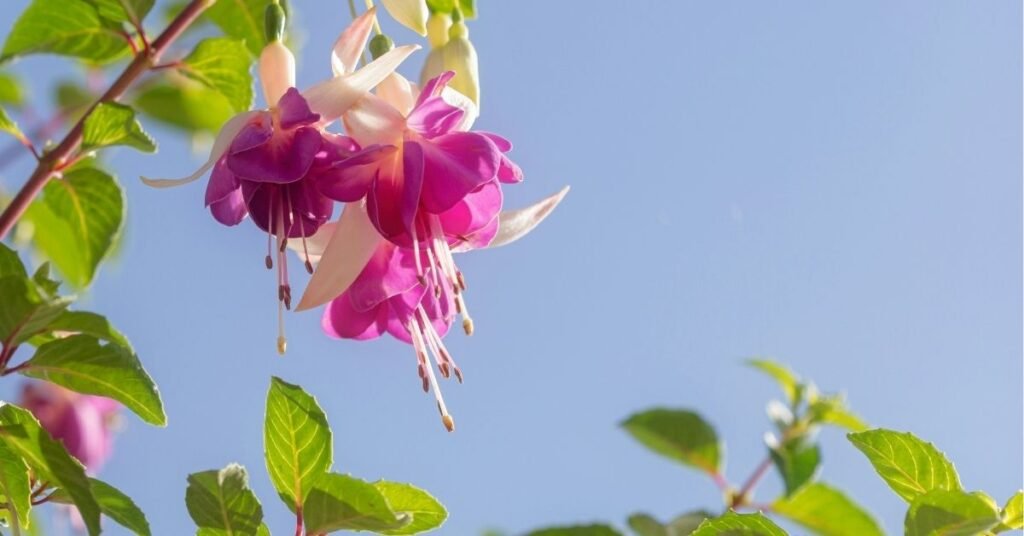
Fuchsias prefer bright, indirect light or partial shade. Direct sunlight, especially during hot afternoons, can scorch the delicate leaves and flowers. Morning sunlight followed by afternoon shade is perfect for them.
Soil
They grow best in well-draining, fertile soil that retains moisture without becoming soggy. A mixture of garden soil, peat moss, and perlite works well. Ensure the pH level is slightly acidic to neutral (around 6.0–7.0).
Watering
Fuchsias love moisture, but overwatering can cause root rot. Keep the soil evenly moist, especially during blooming seasons. In hot weather, water the plant daily if it’s in a container, but reduce watering in winter.
Temperature and Humidity
These plants prefer cool temperatures between 60°F and 75°F (15°C–24°C). High humidity encourages lush growth and vibrant blooms, but make sure there’s good air circulation to prevent fungal diseases.
Fertilizing the Fuchsia Plant
Feed your Fuchsia plant every two to three weeks during the growing season (spring to late summer). Use a balanced liquid fertilizer (like 10-10-10) diluted to half strength. This supports healthy foliage and abundant flowering.
Avoid over-fertilizing — it can lead to excessive leaf growth with fewer flowers.
Pruning and Maintenance
Regular pruning is key to keeping your Fuchsia plant bushy and full of blooms.
- Pinch off the growing tips of young plants to encourage branching.
- Remove dead or weak stems to improve airflow.
- After flowering, trim back the plant to maintain its shape.
- During winter, cut back perennials to about one-third their size before bringing them indoors or mulching them outdoors.
Propagation of Fuchsia
You can easily propagate Fuchsia through stem cuttings. Here’s how:
- Take a 3–4 inch cutting from a healthy plant, just below a leaf node.
- Remove the lower leaves and dip the cut end in rooting hormone.
- Place it in a pot with moist, well-draining soil or a mix of perlite and peat.
- Cover with a plastic bag to maintain humidity.
- Within 3–4 weeks, roots should develop, and the new plant can be transferred to a larger pot.
Common Pests and Diseases
Although generally easy to care for, Fuchsias can be affected by a few common issues:
- Aphids: Small insects that suck plant sap and cause leaf curling.
- Whiteflies: These can cause yellowing and stunted growth.
- Spider mites: They appear during dry conditions and cause speckled leaves.
- Botrytis (gray mold): A fungal disease caused by high humidity and poor air circulation.
To prevent these problems, regularly inspect your plants, remove affected leaves, and use insecticidal soap if necessary.
How to Overwinter Fuchsia Plants
In colder regions, Fuchsias need protection from frost. Before winter:
- Cut the plant back to about half its height.
- Move potted Fuchsias indoors to a cool, frost-free area.
- Water sparingly during dormancy.
- Resume regular watering and feeding when new growth appears in spring.
Outdoor Fuchsias can be protected by adding a thick layer of mulch around the base to insulate the roots.
Uses and Benefits of Fuchsia Plants
- Decorative appeal: Perfect for hanging baskets, window boxes, and garden borders.
- Pollinator-friendly: Attracts hummingbirds, butterflies, and bees.
- Versatility: Suitable for both indoor and outdoor growing.
- Mood-lifting blooms: Their vibrant colors add cheer and freshness to any environment.
Conclusion
The Fuchsia plant is a true gem for any gardener, combining elegance, color, and charm in one beautiful package. With the right care — proper light, moisture, and temperature — you can enjoy continuous blooms from spring through fall. Whether you’re decorating your patio, balcony, or garden, Fuchsias will bring a touch of natural grace and beauty wherever they grow.