
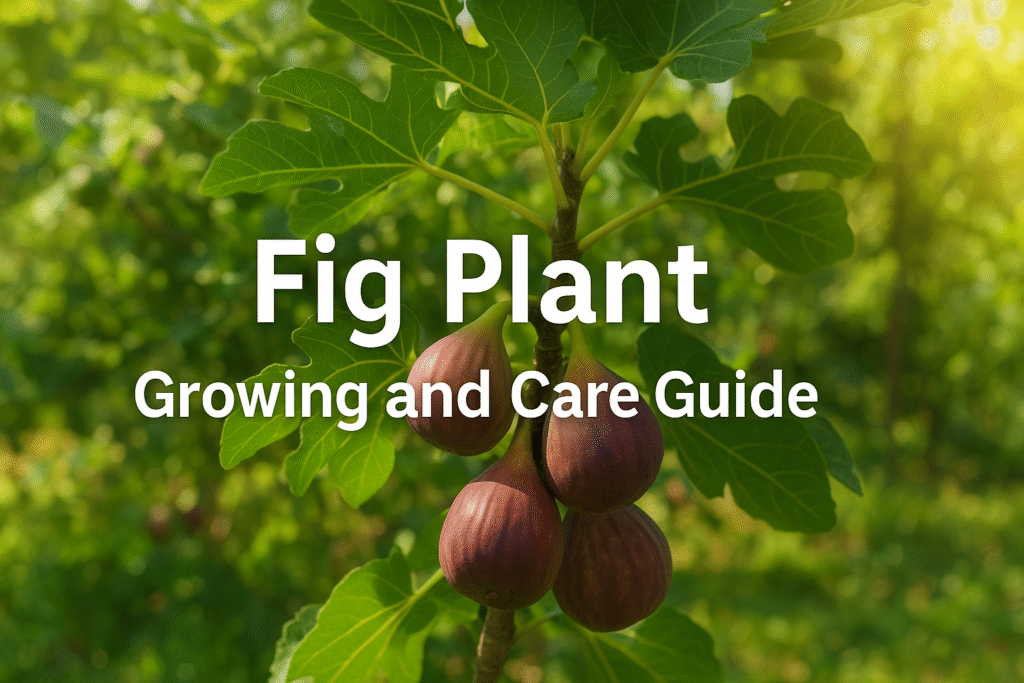
The fig plant (Ficus carica) is one of the oldest cultivated fruit trees in the world, loved for its deliciously sweet fruit and lush green foliage. Native to the Mediterranean region and Western Asia, the fig tree has been a symbol of abundance and fertility for centuries. Whether you grow it for fruit or ornamental beauty, the fig plant can be a rewarding addition to your garden.
In this comprehensive guide, we’ll cover everything you need to know about fig trees — from planting and care to harvesting and problem-solving — all in an SEO-friendly, detailed format.
What is a Fig Plant?
The fig plant is a deciduous tree or large shrub that grows 3–10 meters tall. It belongs to the Moraceae family, which includes mulberry and rubber trees. Its broad, lobed leaves provide dense shade, while its fruit — actually an inverted flower cluster known as a syconium — offers a unique texture and flavor.
The fig tree’s fruits are sweet, soft, and rich in fiber, making them both a healthy snack and a valuable part of traditional medicine and cooking.
Popular Varieties of Fig Plants
There are hundreds of fig varieties worldwide, but here are some of the most popular ones you can grow at home:
1. Brown Turkey Fig
A hardy variety that produces medium-sized bronze fruits with pink flesh. Great for cooler climates.
2. Black Mission Fig
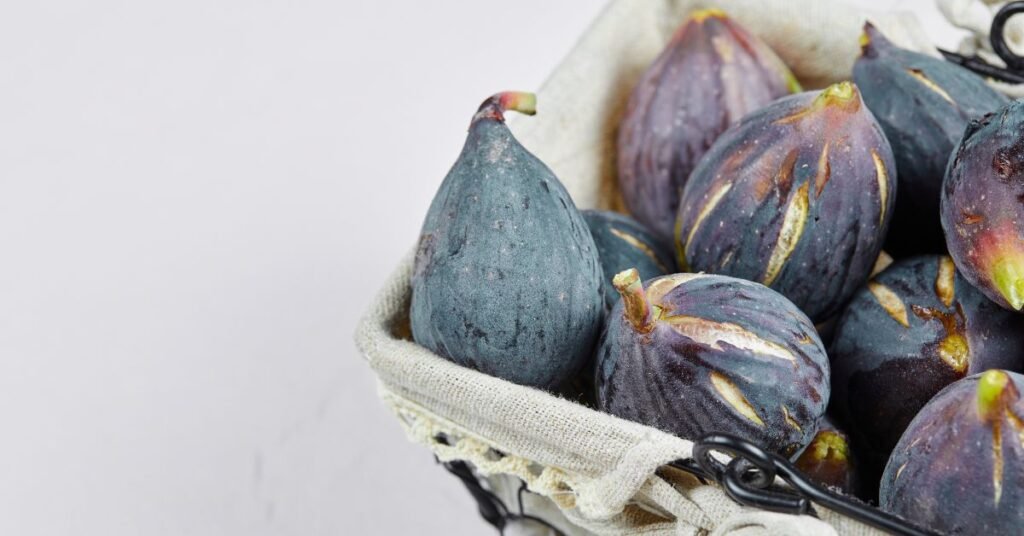
Known for its rich sweetness, purple-black skin, and deep red flesh — a favorite for fresh eating and drying.
3. Kadota Fig
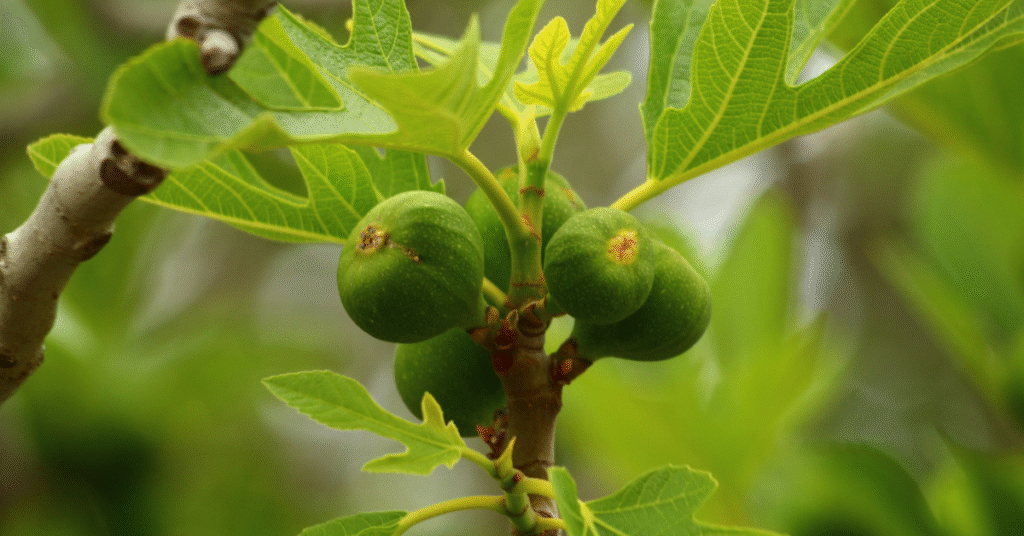
A greenish-yellow fig with amber flesh, often used for canning and drying.
4. Adriatic Fig
Pale green skin and strawberry-colored flesh make it ideal for dried snacks and fig bars.
5. Celeste Fig
Also known as the “Sugar Fig,” this small variety offers incredibly sweet fruits perfect for warm regions.
Ideal Growing Conditions for Fig Plants
1. Climate
Fig trees thrive in warm, dry climates with mild winters. They prefer temperatures between 15°C–30°C (60°F–85°F). Some cold-hardy varieties can tolerate light frost.
2. Sunlight
For best growth and fruit production, fig plants require 6–8 hours of full sunlight daily. Without enough sunlight, fruiting may reduce, and ripening will slow.
3. Soil
- Best soil: Well-drained loamy or sandy soil
- Ideal pH: 6.0–7.0 (slightly acidic to neutral)
Avoid heavy clay or waterlogged soils, as they can lead to root rot.
4. Watering
Young fig trees need regular watering to establish roots. Mature trees are drought-tolerant but benefit from consistent watering during fruiting.
Tip: Deep watering once a week is better than frequent shallow watering.
How to Plant a Fig Tree
1. Site Selection
Choose a sunny location with good air circulation. Keep the tree at least 15–20 feet away from walls or structures because of its spreading roots.
2. Planting in the Ground
- Dig a hole twice as wide as the root ball.
- Mix organic compost into the soil.
- Place the fig plant so the root ball sits level with the ground.
- Fill back the soil, press gently, and water thoroughly.
3. Growing Figs in Containers
If you have limited space, container gardening is ideal.
- Use a pot at least 18–20 inches wide with drainage holes.
- Fill with quality potting mix.
- Place in full sunlight and water regularly.
- Move indoors during winter in colder climates.
Propagation Methods for Fig Plants
1. Stem Cuttings
This is the most popular method.
- Take 8–10 inch long cuttings from mature, healthy branches in late winter.
- Dip the cut end in rooting hormone.
- Plant in moist, well-drained soil or a pot.
- Keep it warm until new growth appears.
2. Air Layering
Select a healthy branch, remove a small ring of bark, cover the area with moist sphagnum moss, and wrap it with plastic. Once roots form, cut the branch and plant it separately.
Fertilization and Feeding
Fig trees generally don’t need heavy fertilization. However, feeding them during the growing season enhances fruit quality.
Best Fertilizer for Fig Plants
- Use a balanced fertilizer (10-10-10) once in early spring.
- Apply compost or well-rotted manure annually for soil enrichment.
- Avoid excess nitrogen — it promotes leafy growth over fruiting.
Mulching Tip
Apply organic mulch (leaves, straw, or compost) around the base to retain moisture and suppress weeds.
Pruning and Maintenance
Why Prune Fig Trees?
Pruning keeps the tree healthy, improves airflow, and increases fruit yield.
How to Prune:
- Prune in late winter or early spring.
- Remove dead, diseased, or crossing branches.
- Maintain an open center for sunlight penetration.
- Trim potted figs regularly to control size and encourage new shoots.
Pests and Diseases of Fig Plants
While fig trees are relatively pest-resistant, they may occasionally face the following issues:
Common Pests
- Aphids: Cause curling leaves and sticky residue.
- Spider Mites: Thrive in hot, dry weather; cause yellowing leaves.
- Scale Insects: Appear as small bumps on stems; suck plant sap.
Diseases
- Root Rot: Caused by overwatering and poor drainage.
- Fig Rust: Brown or orange leaf spots due to fungal infection.
- Anthracnose: Leads to dark lesions on leaves and fruits.
Organic Solutions
- Spray neem oil or insecticidal soap for pests.
- Remove and destroy infected leaves.
- Maintain good airflow and avoid overhead watering.
How to Harvest Figs
When to Harvest
Figs usually ripen in late summer to early fall. They don’t ripen after picking, so timing is crucial.
Signs of Ripeness
- Fruits are soft to touch.
- Skin color deepens based on variety.
- Small nectar drop forms at the fruit’s tip.
Harvesting Tip
Twist gently or cut the fruit from the branch. Avoid squeezing too tightly to prevent bruising.
Storage
- Fresh figs last 2–3 days at room temperature.
- Refrigerate for up to a week.
- For long-term storage, dry or freeze the figs or make jam.
Benefits of Fig Plants
1. Nutritional Benefits
Figs are high in fiber, potassium, magnesium, calcium, and antioxidants. They promote:
- Healthy digestion
- Heart health
- Strong bones
- Better skin and immunity
2. Environmental Benefits
- Attract pollinators like bees and birds.
- Prevent soil erosion with their deep roots.
- Improve air quality and provide shade.
3. Aesthetic and Spiritual Significance
Fig trees have cultural and symbolic importance. They represent peace, prosperity, and knowledge in many traditions. Their lush leaves also enhance garden beauty.
Seasonal Care Tips for Fig Plants
Spring
- Fertilize lightly.
- Check for new growth and remove weak branches.
Summer
- Water deeply.
- Protect fruits from birds using netting.
Autumn
- Reduce watering.
- Harvest ripe figs regularly.
Winter
- Prune branches.
- Mulch base to protect roots from frost.
- Move potted figs indoors if necessary.
Growing Fig Plants Indoors
Indoor cultivation is possible with dwarf varieties like Ficus carica ‘Petite Negra’.
Indoor Care Tips:
- Place near a south-facing window for maximum light.
- Maintain moderate humidity and room temperature (18–24°C).
- Water only when the top inch of soil is dry.
- Feed monthly with a diluted liquid fertilizer during the growing season.
Common Problems and Solutions
| Problem | Cause | Solution |
|---|---|---|
| Yellow leaves | Overwatering or poor drainage | Let soil dry and improve drainage |
| No fruits | Lack of sunlight or too much fertilizer | Ensure full sun, reduce nitrogen |
| Fruits dropping early | Inconsistent watering | Keep soil evenly moist |
| Small fruits | Nutrient deficiency | Apply balanced fertilizer |
Interesting Facts About Fig Trees
- Figs are among the first cultivated crops, dating back to 9400 BC.
- A healthy fig tree can live over 100 years.
- The Bodhi Tree, under which Buddha attained enlightenment, is a type of Ficus.
- Ancient civilizations considered figs a sacred fruit of life and wisdom.
Conclusion
The fig plant is a perfect blend of history, health, and horticultural beauty. With the right care, it will reward you with sweet, nutritious fruits year after year. Whether planted in your garden or grown in a pot, the fig tree’s versatility, low maintenance, and aesthetic charm make it an ideal choice for gardeners of all levels.
Start growing your fig plant today — and bring a touch of Mediterranean magic right into your home garden!