
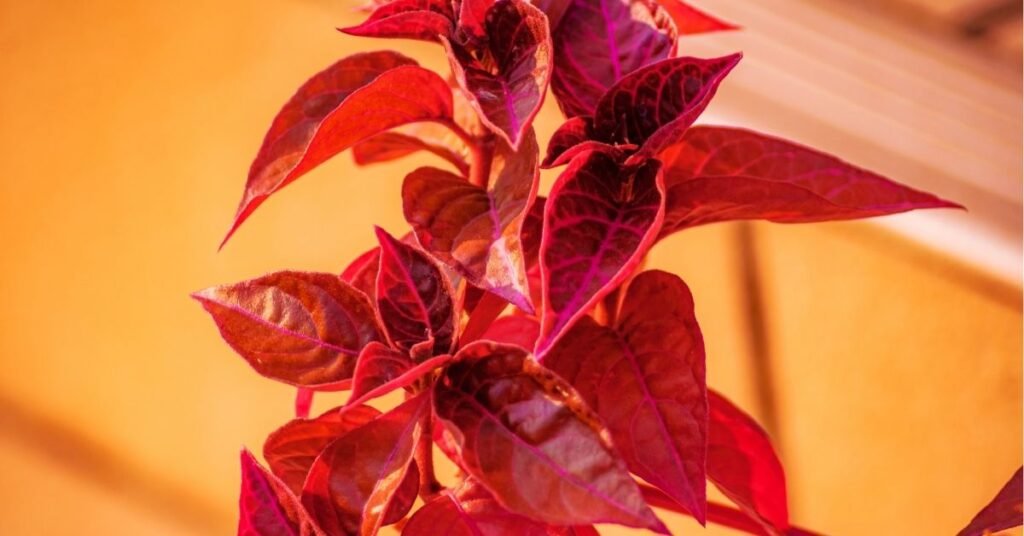
The Croton Plant (Codiaeum variegatum) is one of the most eye-catching ornamental plants, famous for its bold, colorful, and glossy foliage. Its leaves come in a striking mix of yellow, red, orange, pink, bronze, purple, and deep green, making it a top choice for home gardeners wanting a dramatic indoor or outdoor display.
Native to the tropical regions of Southeast Asia and the Pacific Islands, Croton is a sun-loving, humidity-loving plant that thrives in warm climates. With proper care, this plant becomes a stunning focal point in gardens, patios, living rooms, and office spaces.
Whether you’re a new plant-lover or experienced gardener, this guide will help you master Croton care, propagation, watering, soil, fertilizer, and common issues to keep your plant healthy and colorful year-round.
Why Croton Plant Is Popular
Croton plant is loved for its:
- Multi-colored, exotic foliage
- Evergreen nature
- Strong architectural leaf shapes
- Compact, bushy growth
- Air-purifying abilities
- Low maintenance & good adaptability
It adds color where flowers do not bloom year-round — ideal for tropical and decorative landscapes.
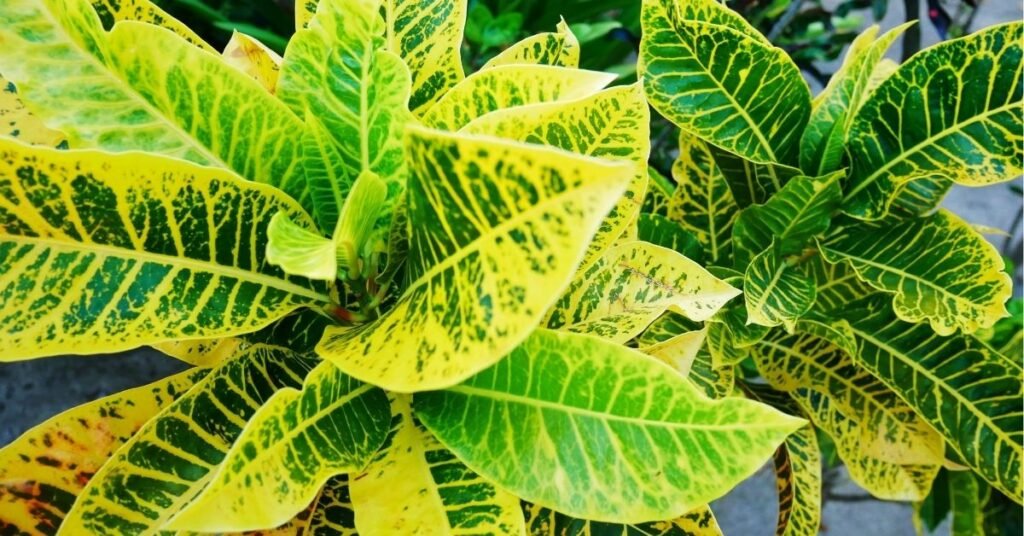
Types of Croton Plants
There are many Croton varieties, each offering unique leaf shapes, patterns, and colors:
1. Petra Croton
- Most common type
- Large oval leaves with visible veins
- Colors: yellow, orange, red
2. Gold Dust Croton
- Speckled leaves with yellow dots
- Perfect for indoor beginners
3. Mammy Croton
- Curly, twisted leaves
- Colors: yellow, red, purple
4. Oak Leaf Croton
- Oak-shaped leaves
- Dark green & red tone blend
5. Zanzibar Croton
- Thin, grass-like leaves
- Colors: yellow, pink, purple threads
Each type brings its own charm — you can plant multiple varieties for a dramatic effect.
Croton Plant Care Instructions
1. Light Requirements
Croton plants thrive in bright, indirect sunlight.
| Light Level | Effect |
|---|---|
| Bright indirect light | Maximum color vibrancy |
| Low light | Leaves turn plain green, slow growth |
| Direct harsh sun | Leaf burn in extreme heat |
Best Spot: near a south or east window indoors
Outdoors: partial sunlight or filtered sunlight
2. Soil Requirements
Crotons need well-draining, fertile soil.
Ideal Soil Mix
- 50% garden soil or potting mix
- 30% coco-peat or peat moss
- 20% perlite / sand for drainage
Soil should stay slightly moist, never waterlogged.
3. Watering Schedule
Consistency is key — Crotons dislike dry roots & over-watering.
| Season | Watering Rule |
|---|---|
| Summer | Water 2–3 times a week |
| Winter | 1 time weekly (avoid wet soil) |
| Rainy Season | Reduce watering |
Tip: Let the top 1–2 inches of soil dry before watering again.
Signs of issues:
- Drooping leaves → Under-watering
- Yellow falling leaves → Over-watering
4. Temperature & Humidity
Croton loves warmth.
| Parameter | Ideal Range |
|---|---|
| Temperature | 18°C – 30°C |
| Humidity | 50% – 70% |
Avoid:
❌ Cold drafts
❌ AC vents
❌ Temperatures below 10°C
In winter, mist leaves gently or use a humidifier.
5. Fertilizing
Feed monthly during growing season for bright foliage.
| Season | Fertilizer |
|---|---|
| Spring – Summer | NPK 10-10-10 or organic fertilizer |
| Winter | No fertilizer |
Organic options:
- Seaweed extract
- Compost tea
- Vermicompost
6. Pruning
Prune Croton for shape and new growth.
- Remove dead or weak stems
- Trim tips to promote bushiness
- Prune lightly — avoid cutting too much at once
Tip: Always use clean scissors to avoid disease.
Propagating Croton Plant
Croton propagation is done through stem cuttings.
How to Propagate Croton
- Take 4-6 inch stem cutting
- Remove lower leaves
- Dip in rooting hormone (optional)
- Plant in moist, well-draining soil
- Keep in bright, indirect light
- Mist regularly
- Roots form in 3–5 weeks
Important: Croton sap can irritate skin — wear gloves.
Common Problems & Solutions
| Problem | Reason | Solution |
|---|---|---|
| Leaves turning green | Low light | Move to brighter location |
| Leaf drop | Temperature change or shock | Maintain stable climate |
| Brown edges | Low humidity | Mist plant / humidifier |
| Yellow soft leaves | Over-watering | Reduce watering |
| White spots | Mealybugs | Neem oil spray weekly |
Pest Treatment:
- Neem oil
- Soap water spray
- Alcohol wipes on leaves for mealybugs
Croton for Outdoor Gardening
Croton thrives outdoors in warm climates.
- Plant in partial sun
- Water deeply once or twice a week
- Mulch around base to retain moisture
- Ideal for borders, pathways, and tropical gardens
Best Outdoor Companions:
- Hibiscus
- Bougainvillea
- Ixora
- Areca Palm
Growing Croton Indoors
To keep indoor Croton healthy:
- Place near bright window
- Rotate pot weekly for even growth
- Mist leaves to maintain humidity
- Dust leaves regularly
Croton is a premium interior décor plant for living rooms & offices.
Croton Plant Benefits
- Air-purifying
- Boosts home energy & positivity
- Adds dramatic tropical color
- Long-living evergreen plant
- Best for balconies & indoor corners
- It’s also believed to enhance feng-shui energy in homes.
Croton Plant Toxicity
Croton plant sap can be mildly toxic if ingested by pets or children.
Safe to touch with care
Keep away from pets & small kids
Wash hands after handling
FAQs — Croton Plant
Why are my croton leaves falling off?
Because of sudden temperature change, over-watering, or transplant shock.
Does croton need sunlight?
Yes. Bright indirect sunlight keeps colors vibrant.
Can croton survive winter?
Only if kept warm indoors — avoid frost.
How often to water croton?
Water when top soil dries; avoid soggy soil.
Is croton plant indoor or outdoor?
Both — thrives outdoors in tropical climates, indoors near bright windows.
How to make croton more colorful?
- Give 5–6 hours bright light
- Fertilize in growing season
- Maintain high humidity
Conclusion
The Croton plant is a tropical treasure that delivers unmatched leaf color and texture. With sunlight, consistent watering, humidity, and good soil, your Croton will flourish indoors or outdoors as a show-stopping feature plant.
If you want a plant that looks like living art, Croton is the perfect addition to your garden or home décor.