
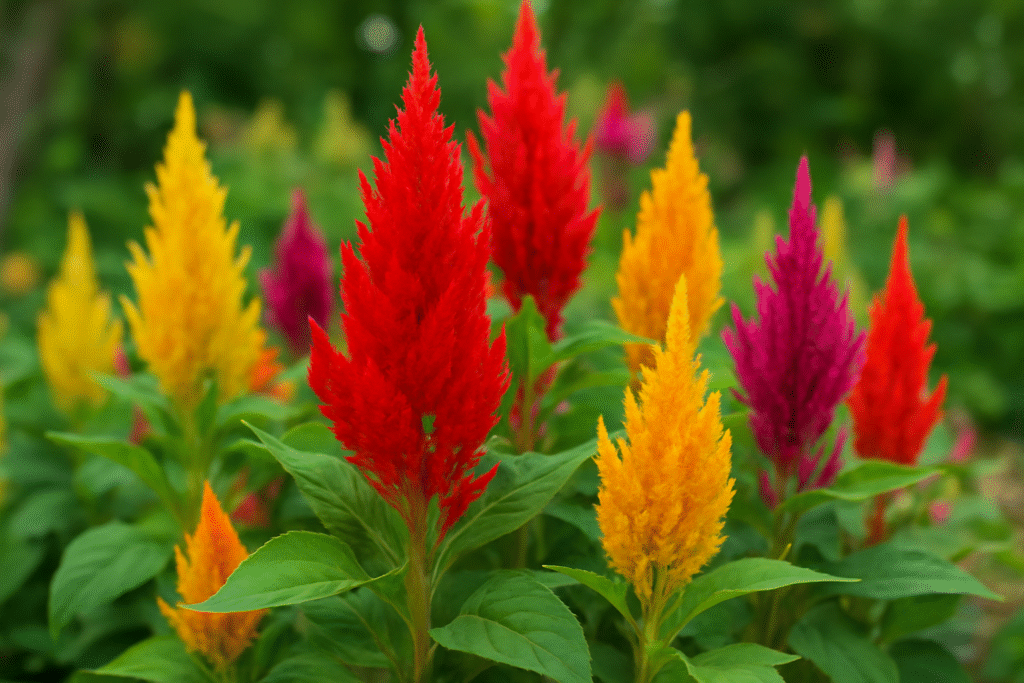
Celosia, commonly known as Cockscomb, Woolflower, or Feather Celosia, is one of the most vibrant and eye-catching flowering plants loved for its stunning flame-shaped blooms and velvety texture. With its bright shades of red, orange, yellow, pink, and purple, Celosia instantly adds a festive and exotic touch to home gardens, landscapes, and pots.
Belonging to the Amaranthaceae family, this plant is native to tropical regions of Africa and Asia. Celosia’s unique appearance and long blooming season make it a favorite choice for gardeners seeking low-maintenance yet standout ornamental plants. Whether you grow it on a balcony, terrace garden, flower bed, or indoor sunny spot, Celosia brings color, charm, and elegance effortlessly.
In this guide, we will explore everything you need to know about Celosia — from planting, soil, watering, sunlight requirements, and fertilizing to propagation, pests, problems, and FAQs.
Types of Celosia
Celosia comes in a variety of shapes and forms. The three main types include:
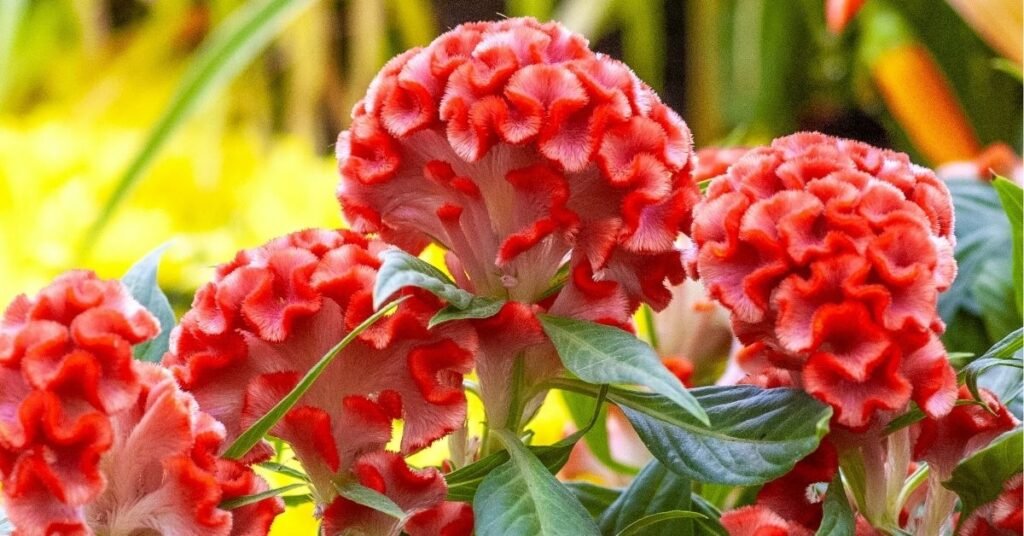
1. Celosia Cristata (Crested / Cockscomb)
- Fan-shaped blooms resembling a rooster’s comb
- Velvety & bold texture
- Available in deep red, maroon, pink, and yellow
2. Celosia Plumosa (Plumed Celosia)
- Soft feathery, flame-like flower clusters
- Looks like colorful fire plumes
- Ideal for borders and containers
3. Celosia Spicata (Wheat Celosia)
- Tall, elegant, wheat-like flower spikes
- Great for floral arrangements
- Long-lasting blooms
Each variety is unique and stunning, making Celosia one of the most versatile flowering plants.
Ideal Growing Conditions
Light Requirements
Celosia thrives in full sunlight.
6–8 hours of direct sun daily
Best results outdoors or brightest indoor location
Avoid shady spots (causes weak growth & fewer flowers)
Soil Requirements
Celosia prefers light, well-draining, and fertile soil.
Best Soil Mix:
- 40% garden soil
- 30% compost / organic fertilizer
- 20% coco peat
- 10% sand or perlite
pH Level: Slightly acidic to neutral (6.0–7.0)
Watering Schedule
Celosia likes slightly moist soil but cannot tolerate waterlogging.
Water when top layer feels dry
Avoid overwatering — root rot risk
Ensure drainage holes in pots
Tip: Mulching helps retain moisture and keeps roots cool.
Temperature & Humidity
Celosia loves warm tropical conditions.
Ideal Temperature: 20–30°C
Cannot tolerate frost
Humidity moderate-high preferred
In winter or cold climates, keep indoors near sunlight.
Fertilization Guide
To keep the flowers bright and long-lasting:
Best Fertilizers
- Organic compost (monthly)
- Liquid seaweed or fish fertilizer (every 2 weeks)
- Balanced N-P-K fertilizer (10-10-10 or 12-12-12)
Over-fertilizing can cause more leaves and fewer flowers — feed moderately.
Planting & Pot Size
Pot Selection
- 8–12 inch pot for single plant
- Ensure good drainage
- Clay pots encourage airflow to roots
Pruning & Maintenance
Regular maintenance keeps Celosia healthy and colorful.
Remove faded blooms for fresh flowering
Trim dead leaves
Avoid overcrowding of stems
Deadheading boosts new blooms and plant life span.
Propagation Methods
1. Seeds
The most common propagation method.
Steps:
- Sow seeds shallowly
- Keep soil moist
- Provide warmth & sunlight
- Germination time: 8–14 days
2. Stem Cuttings (for some varieties)
Cut 4–6 inch stem, plant in moist soil, and keep in shade until rooted.
Common Problems & Solutions
| Problem | Cause | Solution |
|---|---|---|
| Yellow leaves | Overwatering | Reduce watering, improve drainage |
| No flowers | Low light / excess nitrogen | Shift to full sun, balanced fertilizer |
| Wilting | Water stress or heat | Increase watering frequency |
| Stunted growth | Poor soil | Add compost & organic matter |
Pests & Diseases
Celosia is generally hardy but may face:
Pests
- Aphids
- Whiteflies
- Spider mites
Solution:
Neem oil spray weekly, insecticidal soap if needed.
Diseases
- Root rot (excess water)
- Leaf spot (fungal)
Use well-draining soil and avoid wet leaves.
Best Companion Plants
Celosia pairs beautifully with:
- Marigold
- Zinnia
- Begonia
- Coleus
- Petunia
These combinations create vibrant garden displays.
Uses & Benefits
Perfect for borders & flower beds
Great indoor/outdoor ornamental
Long-lasting cut flowers
Excellent for floral bouquets
Low-maintenance & heat-tolerant
Attracts pollinators like bees & butterflies
Some Celosia varieties are edible and used in traditional cuisine (especially in Africa & Asia).
Frequently Asked Questions (FAQs)
1. Is Celosia easy to grow?
Yes, Celosia is very easy to grow and ideal for beginners.
2. How long does Celosia bloom?
With proper care, Celosia blooms continuously for 3–4 months.
3. Can Celosia grow indoors?
Yes, as long as it receives bright direct sunlight for 5–6 hours.
4. Does Celosia come back every year?
Celosia is usually grown as an annual plant, but in warm climates, it may self-seed.
5. Can Celosia tolerate heat?
Yes, Celosia thrives in warm temperatures and full sun.
6. How often should I water Celosia?
Water when the top soil feels dry — do not overwater.
7. Can I grow Celosia from cuttings?
Some varieties root from stem cuttings, but seeds are most common.
Conclusion
Celosia is truly a show-stopping flowering plant that brings energy, color, and tropical beauty to any garden or home space. With its flame-like blooms and soft velvety texture, it stands out among other annuals. The best part? Celosia requires very little care — just sunlight, moderate watering, and nutrient-rich soil.
Whether you choose the feathery plumes, striking cockscomb, or wheat-type clusters, Celosia guarantees vibrant displays and months of color. It’s an ideal choice for seasonal gardens, balconies, walkways, and pots.
Grow Celosia once, and you’ll fall in love with its magical appearance every year.