
Introduction to Black-Eyed Susan
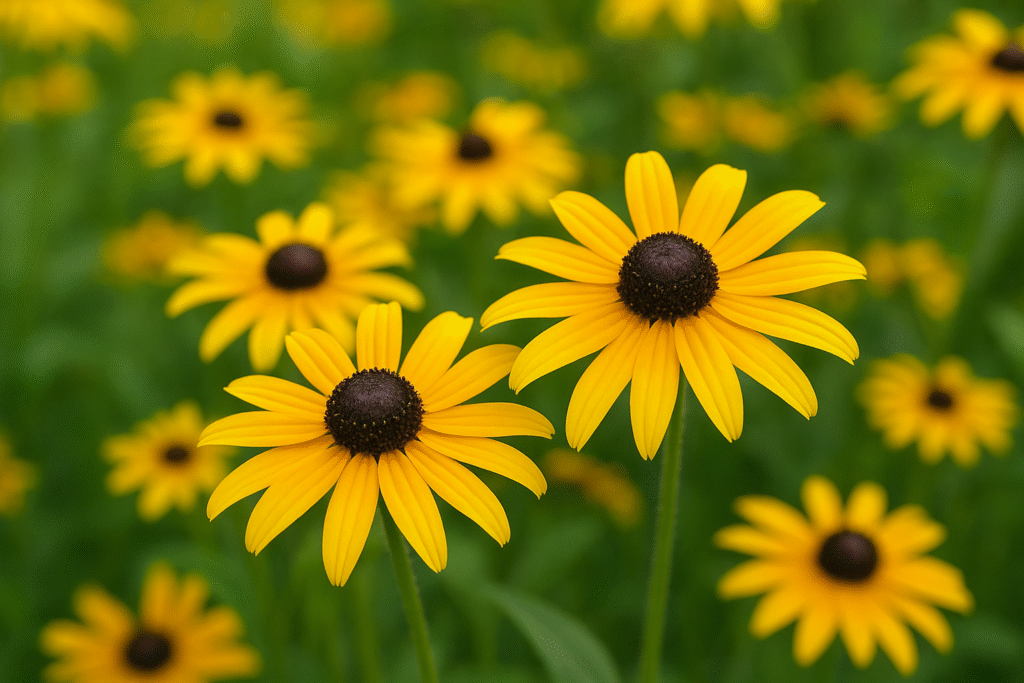
Black-Eyed Susan, scientifically known as Rudbeckia hirta, is one of the most iconic and loved flowering plants in the gardening world. With its golden-yellow petals and dark brown center, this flower instantly brightens any garden space and symbolizes encouragement, hope, and happiness.
Native to North America, Black-Eyed Susan is widely grown as a perennial in warm climates and annual/biennial in cooler regions. It is drought-tolerant, heat-resistant, deer-resistant, and incredibly easy to maintain — making it perfect for beginner and experienced gardeners alike.
It attracts pollinators like butterflies, bees, and birds, contributing to ecological balance and healthy garden biodiversity.
Botanical Profile
| Feature | Details |
|---|---|
| Scientific Name | Rudbeckia hirta |
| Common Name | Black-Eyed Susan |
| Plant Type | Perennial / Annual (climate-dependent) |
| Family | Asteraceae (Daisy Family) |
| Origin | North America |
| Bloom Time | Summer to Fall |
| Height | 1 – 3 feet |
| Flower Color | Yellow/Golden petals with a dark center |
| USDA Zones | 3 – 9 |
| Light Requirement | Full Sun (6–8 hours) |
| Watering | Low to Moderate |
Why Grow Black-Eyed Susan?
Growing this plant brings multiple benefits, including:
1. Highly Attractive Flowers
The bright golden flowers add dramatic beauty to gardens, containers, fences, and borders.
2. Pollinator Friendly
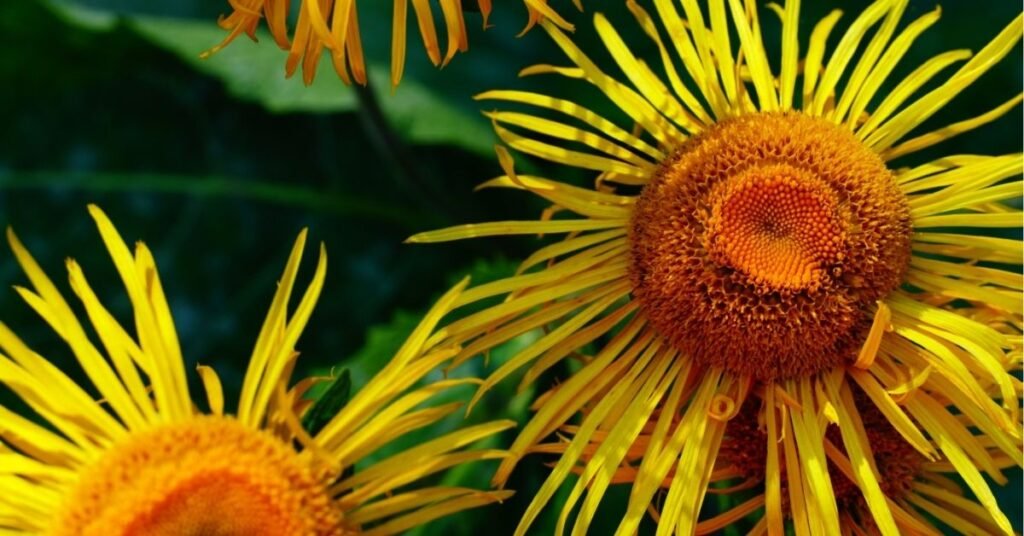
It attracts bees, butterflies, and goldfinches, supporting your local ecosystem.
3. Low-Maintenance
Needs minimal care once established — perfect for busy gardeners.
4. Drought-Tolerant
Ideal for regions with less rainfall or water restrictions.
5. Versatile Growth
Can be grown in:
- Garden beds
- Containers
- Wildflower meadows
- Cottage gardens
- Roadside landscapes
Popular Varieties of Black-Eyed Susan
1. Rudbeckia hirta
Common wild form — tall, strong stems, classic golden blooms.
2. Rudbeckia fulgida ‘Goldsturm’
Most popular garden variety — large blooms, very hardy.
3. Rudbeckia triloba
Smaller flowers but produces abundant blossoms.
4. Rudbeckia laciniata
Tall and elegant, known as cutleaf coneflower.
5. Rudbeckia maxima
Large leaves and striking tall stems — dramatic garden accent.
Ideal Growing Conditions
Sunlight
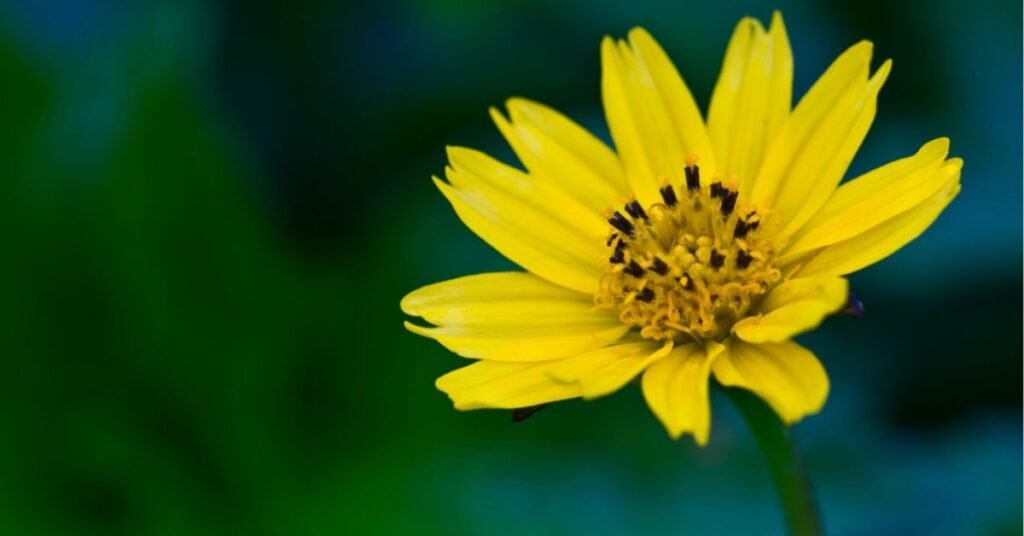
Full sun is essential.
At least 6–8 hours sunlight daily boosts bloom quantity and color intensity.
Soil
Prefers:
- Well-drained soil
- Sandy or loamy type
- Slightly acidic to neutral pH (6.0 – 7.5)
Avoid waterlogged areas.
Temperature & Climate
Loves warm summer temperatures.
Tolerates heat, cold, and light frost.
How to Plant Black-Eyed Susan
From Seeds
Best method — economical and easy.
When to sow seeds:
- Spring after frost
- Late summer for next season
Steps:
- Prepare loose soil in bed or tray
- Sprinkle seeds lightly on surface
- Press gently — do not bury deeply
- Mist water gently
- Keep moist till germination (7–21 days)
From Transplants
Buy young plants from nursery and plant directly.
Keep spacing of 12–18 inches between plants.
Division Method
Mature clumps can be divided every 2–3 years in early spring or fall.
Watering Requirements
- Water regularly during the first growing month
- After establishment: low watering is needed
- Water only when soil is dry
- Avoid overhead watering to prevent fungal infection
Fertilizing Black-Eyed Susan
This plant doesn’t demand heavy feeding.
Suggested feeding:
- Use compost or organic manure at planting time
- Apply slow-release balanced fertilizer (10-10-10) once a year in spring
- Too much fertilizer = more leaves, fewer flowers
Pruning & Deadheading
Regular deadheading (removing faded flowers) encourages fresh blooms.
Year-Round Care Tips
- Spring: prune weak stems
- Summer: deadhead blooms frequently
- Fall: cut back stems after blooming — leave some seed heads for birds
Pests & Diseases
Common Issues:
| Problem | Cause | Solution |
|---|---|---|
| Powdery Mildew | Humid & crowded plants | Improve airflow, sulfur spray |
| Aphids | Sap-feeding insects | Neem oil or soapy water |
| Spider Mites | Heat & dryness | Hose spray, neem oil |
| Leaf Spot | Fungal infection | Fungicide, remove infected leaves |
This plant stays mostly disease-free if grown in sunny, ventilated areas.
Propagation Techniques
By Seeds
Collect dried flower heads → remove seeds → store → plant in next season.
By Division
Dig and separate root clumps → replant immediately.
Self-Seeding
Black-Eyed Susan naturally reseeds itself — new plants appear automatically.
Landscaping & Design Ideas
Use Black-Eyed Susan to create:
- Wildflower meadows
- Pollinator gardens
- Border plantings
- Cottage garden style beds
- Mixed perennial beds
- Container gardens
Best companion plants:
- Coneflower
- Bee Balm
- Salvia
- Lavender
- Ornamental grasses
Benefits of Black-Eyed Susan
1. Eco-Friendly Plant
Enhances biodiversity and supports food chain.
2. Medicinal Uses
Traditional herbal use in cold, flu & infection remedies (consult professional).
3. Low Maintenance
Perfect for sustainable and easy gardening.
4. Wildlife Friendly
Birds enjoy dried seed heads in winter.
FAQs about Black-Eyed Susan Plant
Q1: Is Black-Eyed Susan a perennial?
Yes, it’s mostly perennial but acts as an annual in colder climates.
Q2: How long does it bloom?
Blooms from summer to fall (up to 2–3 months).
Q3: Does it spread?
Yes, through self-seeding and clump division.
Q4: Can it grow in shade?
Partial shade is okay, but full sun gives best blooms.
Q5: Is it difficult to care for?
No — one of the easiest garden flowers.
Q6: Do deer eat Black-Eyed Susan?
No — it is deer-resistant.
Q7: Can I grow it in pots?
Yes, choose deep pots with drainage holes.
Final Thoughts
Black-Eyed Susan is a beautiful, strong, and charming plant that requires minimal effort yet rewards you with abundant sunshine-yellow blooms. Whether you’re creating a pollinator-friendly garden or simply want bright summer flowers, this plant is an excellent choice.
Add it to your garden and enjoy months of cheerful flowers and visiting butterflies!