
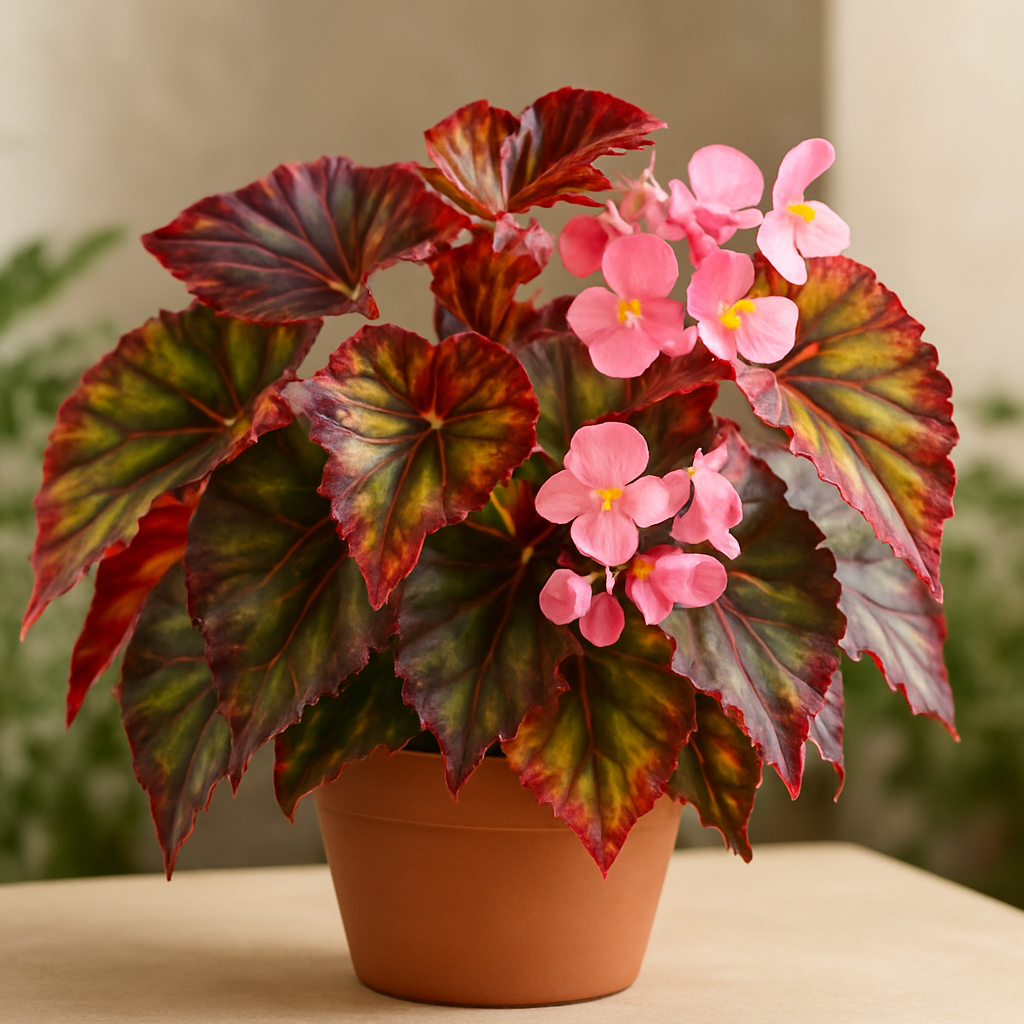
Begonias are one of the most loved ornamental plants around the world — famous for their colorful foliage, charming flowers, and impressive ability to grow both indoors and outdoors. Whether you’re decorating a balcony, brightening up a shady garden corner, or adding greenery to your living room, begonias deliver impressive beauty with minimal maintenance.
This comprehensive guide covers everything you need to know: varieties, propagation, care tips, watering schedule, light needs, common problems, and more — helping you grow lush, healthy begonias year-round.
What Is a Begonia Plant?
Begonia is a tropical and subtropical flowering plant belonging to the Begoniaceae family. There are more than 2,000 species and hybrids in the begonia family, offering diverse leaf textures, patterns, and flower colors.
They can be:
- Leaf begonias (grown for decorative foliage)
- Flowering begonias (grown for long-lasting blooms)
Most begonias thrive in partial shade, warm temperatures, and moist but well-drained soil.
Benefits of Growing Begonias
| Benefit | Description |
|---|---|
| Aesthetic appeal | Bold, colorful leaves & soft romantic blooms |
| Low maintenance | Perfect for beginners |
| Versatile | Great for containers, hanging baskets & garden beds |
| Air-purifying | Helps improve indoor air quality |
| Shaded area solution | Thrives where many flowering plants fail |
Popular Types of Begonias
Here are the best and most common begonia varieties:
1. Rex Begonia
- Famous for striking leaf colors — purple, pink, silver, green
- Ideal indoor houseplant
2. Wax Begonia
- Glossy leaves, red/pink/white flowers
- Great for bedding & containers
3. Tuberous Begonia
- Large, rose-like blooms
- Best for hanging baskets
4. Cane Begonia (Angel Wing Begonia)
- Tall stems with wing-shaped leaves
- Pink or white flowering clusters
5. Rhizomatous Begonia
- Grown mainly for leaves
- Thick rhizomes allow drought tolerance
Ideal Growing Conditions
Sunlight
| Type | Requirement |
|---|---|
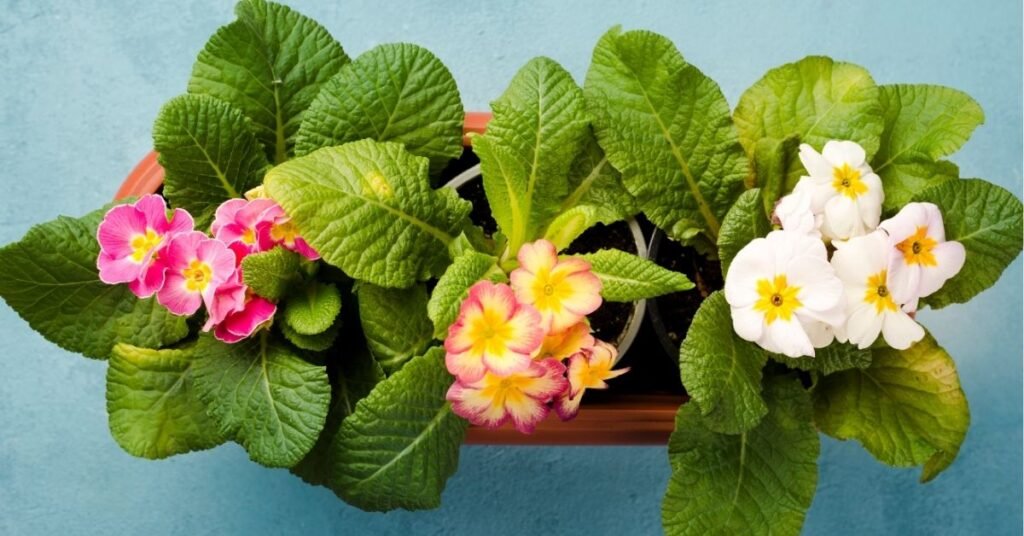
| Indoor | Bright, indirect sunlight |
| Outdoor | Partial shade; morning sun + afternoon filtered light |
Avoid harsh afternoon sun — it burns begonia leaves.
Soil
Begonias prefer loose, breathable, and well-drained soil.
Recommended Mix
- 40% coco peat or peat moss
- 30% perlite or sand
- 30% compost or leaf mold
Soil should stay moist but never soggy.
Watering
Begonias hate overwatering. Follow this:
- Water when top 1–2 inches of soil is dry
- Avoid wetting leaves (reduces fungal disease risk)
- Ensure pot has drainage holes
Summer: Water 2-3 times/week
Winter: Once per week or less
Humidity & Temperature
| Condition | Ideal Range |
|---|---|
| Temperature | 18°C – 28°C (65°F – 82°F) |
| Humidity | 50% – 70% |
They dislike cold drafts and temperatures below 10°C (50°F).
Fertilization
Feed begonias every 2–3 weeks during growing season.
Best fertilizer:
- Balanced liquid fertilizer (10-10-10 or 20-20-20)
- Dilute to half strength
Stop fertilizing during winter dormancy.
Potting & Repotting
Begonias prefer slightly root-bound pots.
Repot every 1–2 years or when:
- Roots overflow pot
- Soil drains poorly
- Growth slows down
Use clay or ceramic breathable pots.
How to Propagate Begonias
Begonias propagate easily — great for plant lovers!
1. Leaf Cuttings
Best for Rex begonias
- Cut healthy leaves
- Place in soil or water
- Keep humid and warm
Roots appear in 2–4 weeks
2. Stem Cuttings
Best for cane and wax begonias
- Cut 4–6 inch stem
- Remove bottom leaves
- Place in moist soil or water
3. Division
Best for rhizomatous varieties
- Split rhizomes or tubers
- Replant in moist soil
Common Problems & Solutions
Yellow Leaves
Cause: Overwatering or poor drainage
Fix: Reduce watering, improve soil mix
Brown Leaf Edges
Cause: Low humidity or direct sun
Fix: Provide shade & increase humidity
Powdery Mildew / Leaf Spots
Cause: Excess moisture & poor ventilation
Fix: Improve airflow, avoid wet leaves, use fungicide if needed
Root Rot
Cause: Standing water
Fix: Repot into well-draining soil
No Flowers
Cause: Lack of light or nutrients
Fix: Give bright indirect light + monthly feeding
Seasonal Care
Spring
- Resume watering & fertilization
- Propagate new plants
Summer
- Water frequently
- Provide shade from midday sun
Fall
- Reduce watering & feeding
- Move indoors if needed
Winter
- Keep warm & dry
- Water sparingly
Indoor vs Outdoor Begonia Care
| Feature | Indoor | Outdoor |
|---|---|---|
| Light | Bright, indirect | Partial shade |
| Water | Moderate | Higher needs in hot weather |
| Risk | Low pests | Sunburn, rain rot |
| Best For | Decorative rooms | Shade gardens, borders |
Best Companion Plants
- Ferns
- Hostas
- Impatiens
- Coleus
- Caladiums
All thrive in similar shade & moisture conditions.
FAQs About Begonia Plant
1. Are begonias indoor or outdoor plants?
Begonias grow beautifully in both — but prefer shade and indirect light.
2. How often should I water begonias?
Water when top 1–2 inches of soil dry — overwatering is dangerous.
3. Can begonias grow in full sun?
They tolerate morning sun only. Avoid harsh midday sunlight.
4. Why are my begonia leaves turning brown?
Likely due to low humidity or sunburn.
5. Do begonias come back every year?
Tuberous begonias can be perennial, while others behave as annuals in cold regions.
6. Is begonia poisonous to pets?
Yes — toxic to dogs & cats if eaten. Keep out of reach.
Conclusion
Begonias are a perfect choice for plant lovers who want colorful foliage, beautiful flowers, and easy maintenance. With proper watering, filtered light, and good soil, they reward you with lush growth all year.
Whether in hanging baskets, pots, terrariums, or shaded garden beds — begonias bring elegance and charm wherever they grow.