
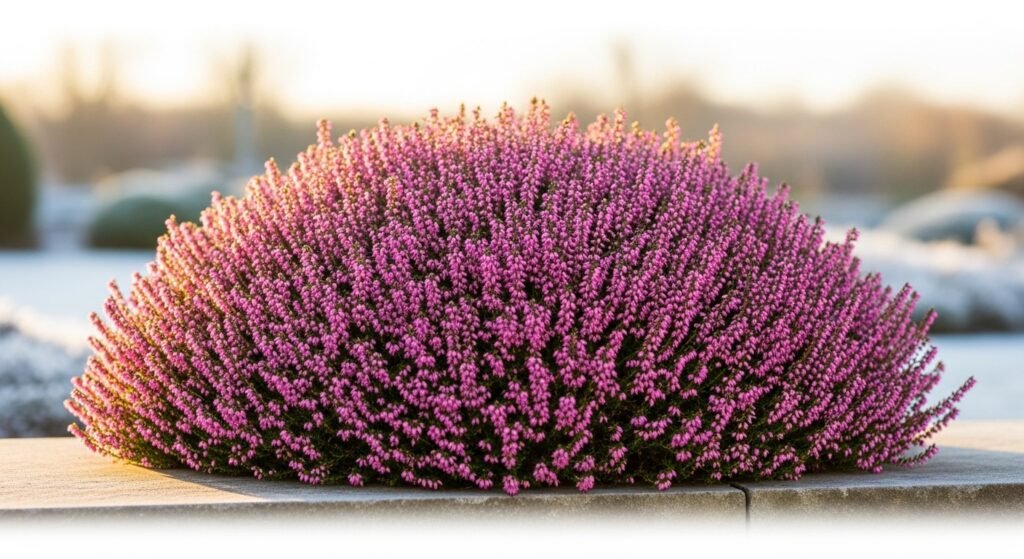
The Italian Heather Plant, known scientifically as Erica × darleyensis, is one of the most charming, colorful, and resilient winter-blooming shrubs. While most plants slow down or stop flowering in the cold season, Italian Heather fills the landscape with vibrant color through its tiny bell-shaped blooms and evergreen foliage. This makes it a perfect choice for gardeners who want a lively, attractive display all year round — especially during the dull winter months.
This detailed guide covers everything you need to know about Italian Heather, including appearance, care, watering, sunlight requirements, propagation, pruning, common issues, and tips for keeping it healthy throughout the year.
Introduction to the Italian Heather Plant
Italian Heather is native to parts of Europe and is widely grown for ornamental purposes. This evergreen shrub brings a burst of color when most plants struggle due to the cold. It is valued for:
- Long-lasting flowers
- Low maintenance
- Hardiness
- Attractive needle-like foliage
- Versatile use in both gardens and containers
Its flowers range from soft pinks to deep purples, whites, and reds, creating a striking contrast against its green foliage. These blooms can remain vibrant for three to four months, making it one of the best seasonal plants for winter and early spring.
Appearance and Growth Habit
Italian Heather is admired for its compact and bushy growth. It generally grows 12 to 20 inches tall and spreads to about the same width. The plant features:
1. Needle-like Leaves
These small, bright green, needle-shaped leaves grow densely along the stems and remain evergreen throughout the year.
2. Bell-shaped Flowers
The tiny bell-like flowers cluster along the stems. Their vibrant shades brighten any space during the dull winter season.
3. Compact Structure
Italian Heather has a natural mound-like shape that requires minimal shaping. This makes it perfect for:
- Borders
- Garden edging
- Rock gardens
- Walkway accents
- Container arrangements
Its dense growth and long blooming period make it an excellent decorative choice.
Ideal Growing Conditions
1. Light Requirements
Italian Heather thrives best in full sun to partial shade.
- In cooler regions → Full sun enhances flower production
- In hot climates → Afternoon shade prevents leaf browning
Bright light is essential for strong flowering and healthy foliage.
2. Temperature Needs
This plant prefers cool temperatures and is naturally frost-tolerant.
Ideal range: 10°C to 20°C (50°F to 68°F).
It thrives in winter and early spring. In very hot weather, its leaves may turn brown or crispy. To prevent heat stress, grow it in shaded spots or containers that can be moved.
3. Soil Requirements
Italian Heather requires acidic soil with excellent drainage.
Ideal soil pH: 5.0–6.0
Best soil mix:
- Sandy or loamy soil
- Organic compost
- A well-draining potting mix
It does not grow well in alkaline, clay, or compacted soil.
4. Humidity & Air Circulation
This plant prefers moderate humidity and good airflow.
High humidity may cause fungal infections, while extremely dry air can lead to browning leaves.
Watering Requirements
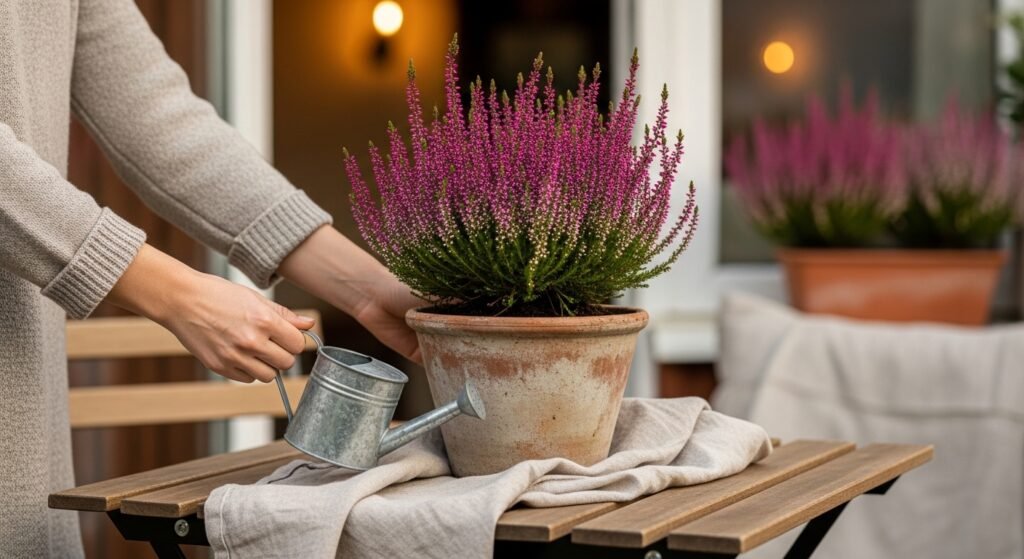
Watering is one of the most important aspects of Heather plant care.
General Watering Guidelines:
- Keep soil consistently moist, but never soggy
- Allow the top layer of soil to dry slightly between waterings
- Use rainwater or filtered water when possible
- Avoid tap water with high mineral content (it alters soil pH)
Seasonal Watering:
- Winter & Spring: Water more often (every 3–5 days)
- Summer: Reduce watering (every 4–7 days)
- Autumn: Keep soil lightly moist
Overwatering may lead to root rot, while underwatering causes browning and brittle foliage.
Fertilizing the Italian Heather Plant
Italian Heather benefits from light feeding during its growing seasons.
Best fertilizers:
- Organic compost
- Acid-loving plant fertilizer
- Azalea or rhododendron food
When to fertilize:
- Early spring: Boosts flowering and new growth
- Late summer: Prepares plant for winter blooms
Avoid heavy fertilizing as it may burn the roots.
Pruning & Maintenance
Pruning keeps the plant neat, healthy, and encourages more flowers.
Pruning Tips:
- Prune immediately after flowering
- Trim about one-third of the plant
- Avoid cutting into thick woody stems
- Remove dead or brown tips regularly
Proper pruning ensures fuller growth and stronger blooms in the next season.
Propagation Methods
Italian Heather can be propagated through two main methods:
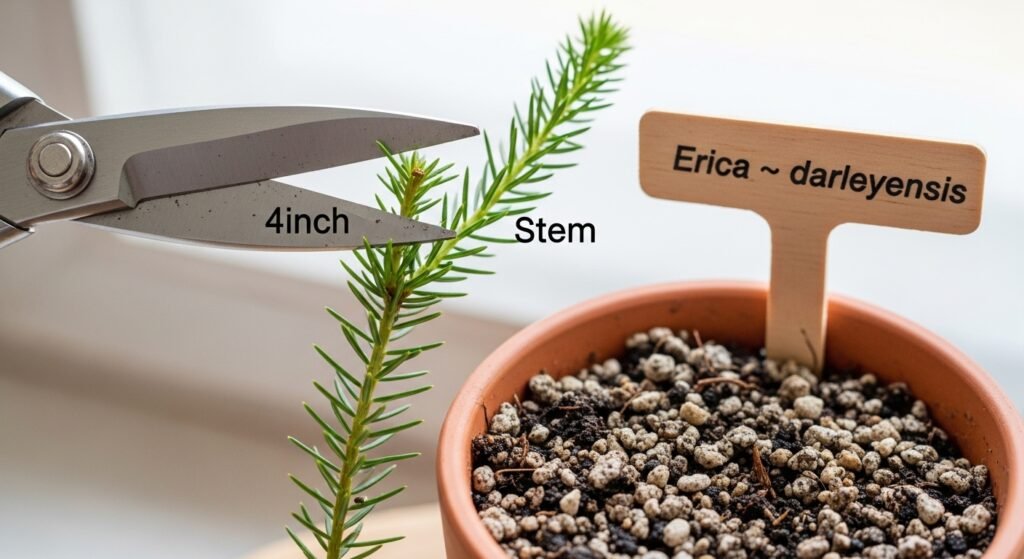
1. Stem Cuttings
- Take semi-hardwood cuttings of 3–4 inches
- Remove lower leaves
- Dip cut end in rooting hormone
- Plant in a soil mix of sand + peat
- Keep in partial shade and moist soil
2. Layering
Layering is one of the easiest methods:
- Bend a low stem to the soil
- Bury a part of it while still attached
- Keep soil moist
- After 2–3 months, roots form
- Cut and transfer to a new pot
This method ensures strong, healthy new plants.
Common Problems & Solutions
1. Browning Leaves
Causes: Heat stress, underwatering, alkaline soil
Solution: Provide shade, increase watering, use acidic soil.
2. Yellow Leaves
Causes: Poor drainage, mineral-heavy water
Solution: Improve soil, use rainwater, adjust pH.
3. Root Rot
Cause: Overwatering or compacted soil
Solution: Repot in well-draining mix and avoid excess watering.
4. Fungal Infections
Cause: High humidity or poor airflow
Solution: Improve ventilation and avoid wetting foliage.
5. Weak Blooming
Cause: Low sunlight or inadequate pruning
Solution: Move plant to brighter location and prune regularly.
Best Uses of Italian Heather
Italian Heather is extremely versatile and widely used for:
1. Landscaping
- Ground covers
- Cottage gardens
- Borders
- Rock gardens
2. Container Gardening
It looks stunning in:
- Terracotta pots
- Ceramic planters
- Balcony containers
3. Home Decoration
Its elegant blooms make it ideal for:
- Living room corners
- Entryway pots
- Winter décor themes
4. Floral Arrangements
The long-lasting bell-shaped flowers are often used in bouquets and winter flower displays.
Italian Heather in Winter
One of the biggest advantages of Italian Heather is its ability to thrive in winter.
Winter Care Tips:
- Keep the soil lightly moist
- Place in bright, sunny spot
- Protect from extremely icy winds
- Do not overwater
- Prune after the bloom cycle ends
Its bright blooms look especially beautiful during snowy or dull months
Tips for Keeping Your Italian Heather Healthy
- Use acidic soil
- Provide plenty of sunlight
- Water consistently but avoid soggy soil
- Prune annually
- Avoid hard tap water
- Use pots with good drainage
- Protect from intense summer heat
Following these tips will keep your plant lush, colorful, and thriving year-round.
Conclusion
The Italian Heather Plant is a stunning, easy-to-care-for, evergreen shrub that brings life and color to any garden — especially during the colder months. Its long-lasting flowers, low maintenance needs, and year-round greenery make it a valuable addition to landscapes, balconies, patios, and indoor spaces. With the proper care, Italian Heather can reward you with vibrant blooms and lush foliage for many years.