
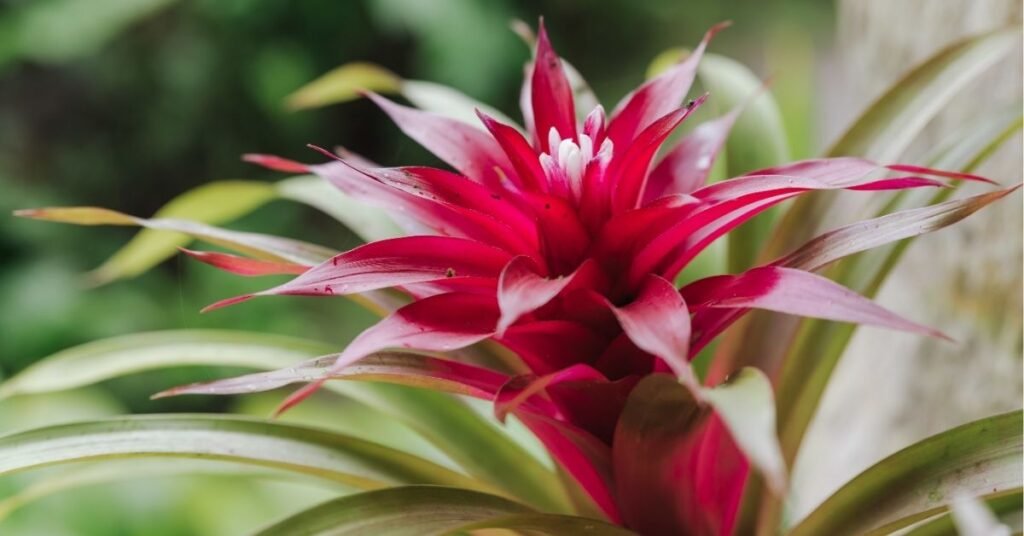
Bromeliad plants are one of the most unique and exotic houseplants grown for their tropical beauty, vibrant colors, and dramatic foliage. These plants are famous for their long-lasting flowers, eye-catching shapes, and elegant leaf rosettes that add a stylish touch to any indoor or outdoor garden.
Bromeliads belong to the family Bromeliaceae which includes more than 3,000 species. They are native to tropical regions of South America, particularly Brazil, and are commonly found growing on trees, rocks, and rainforest floors.
From classic indoor varieties like Guzmania and Aechmea to air-purifying Tillandsias (Air Plants), bromeliads are versatile, low-maintenance, and ideal for home decorators and plant lovers.
This ultimate guide explains everything about Bromeliads — types, planting method, watering, sunlight, fertilizing, common problems, propagation techniques, and expert tips to help you grow healthy, stunning plan
What Is a Bromeliad Plant?
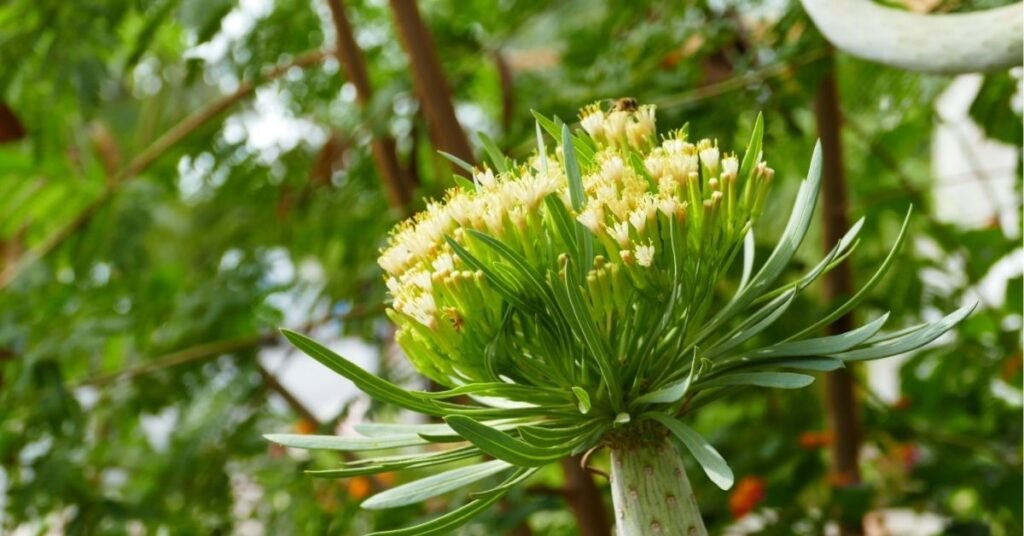
Bromeliad is a stylish tropical plant known for:
- Rosette-shaped leaves
- Vibrant and long-lasting flower bracts
- Minimal watering requirement
- Ability to grow indoors and outdoors
- Air-cleaning ability
Botanical Name: Bromeliaceae
Plant Type: Epiphyte / Terrestrial Herb
Life Cycle: Perennial
Height: 12 inches to 4 feet (varies by type)
Flower Duration: 3–6 months
Unlike most flowering plants, bromeliads produce only one flower in a lifetime, but that bloom stays for months and the plant produces many pups (baby plants).
Popular Types of Bromeliads
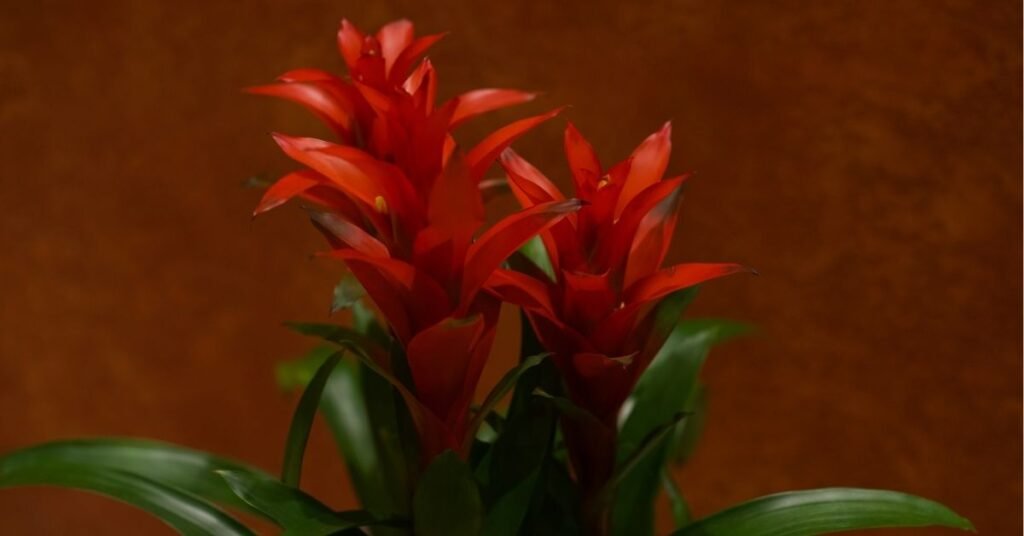
1. Guzmania
- Soft, glossy foliage
- Bright red, orange, yellow flowers
- Perfect for indoor décor
2. Aechmea
- Thick, tough leaves
- Pink or red flower spikes
- Tolerates neglect, very hardy
3. Vriesea
- Flame-shaped flowers with sword-like bracts
- Ideal for low-light indoor spaces
4. Tillandsia (Air Plants)
- No soil needed
- Absorbs moisture & nutrients from air
- Can be mounted on wood, stones, glass
5. Neoregelia
- Colorful foliage more than flowers
- Compact and best for table décor
6. Billbergia
- Fast-growing
- Pendulum-style flowers
- Outdoor patio favorite
Why Grow Bromeliads? — Top Benefits
✅ Low maintenance & drought-tolerant
✅ Long-lasting colorful blooms
✅ Improves air quality
✅ Grows in low light
✅ Pet-friendly & non-toxic
✅ Captures dust & toxins from air
✅ Adds tropical beauty to rooms, offices, and patios
Ideal Growing Conditions for Bromeliads
Light Requirements
- Bright, filtered light is best
- Avoid harsh direct sun — causes leaf burn
- Works in medium to bright indirect light indoors
Best placement:
✅ Near east or north-facing windows
✅ Under shade outdoors
Temperature & Humidity
- Temperature: 18°C – 30°C
- Humidity: 50% – 70%
Bromeliads thrive in humid environments like bathrooms, kitchens, or near humidifiers.
Soil Requirements
Bromeliads are epiphytes meaning they grow on surfaces in nature — not in heavy soil.
Use light, airy mix:
Best potting mix:
- Orchid bark (40%)
- Cocopeat / Peat moss (30%)
- Perlite (20%)
- Charcoal / Sand (10%)
✅ Excellent drainage
✅ Avoids root rot
Never use garden clay soil — it suffocates roots.
Pot Selection
- Choose pot with drainage holes
- Terracotta or plastic both fine
- Do not use deep pots — shallow pots suit bromeliads
Watering Bromeliad Plants
Bromeliads store water in their leaf cup called central tank or rosette.
How to Water
- Fill the plant’s central cup halfway with clean water
- Flush and refill weekly to avoid bacteria
- Water soil lightly every 7-10 days
- Mist occasionally in dry climate
Watering Tips
💧 Use filtered or rainwater (chlorine harms plant)
💧 Never keep water stagnating too long
💧 Avoid overwatering soil — roots may rot
Fertilizing Bromeliads
Bromeliads require very light feeding
Best fertilizer
- Liquid balanced fertilizer (NPK 10-10-10 or 20-20-20)
- Orchid fertilizer or seaweed extract works great
How to apply
- Dilute to 1/4 strength
- Mist on leaves / in the central cup every 30 days
- Avoid fertilizer inside flower cup (damages bloom)
Repotting Bromeliads
Repot only when:
- Offsets (pups) appear
- Parent plant declines after blooming
- Soil becomes compacted
Repot every 1–2 years
Pots should be slightly bigger than root size — not large.
Propagation — How to Multiply Bromeliads
Bromeliads produce pups — baby plants at base.
How to propagate pups
- Wait until pup is 1/3 size of mother
- Gently twist or cut with sterile blade
- Plant pup in airy soil mix
- Water lightly & keep in indirect light
Pups take about 6–12 months to mature.
Common Problems & Solutions
| Problem | Cause | Solution |
|---|---|---|
| Brown dry leaf tips | Low humidity | Mist more, add humidity |
| Rotting base | Overwatering / dirty water | Flush cup, reduce watering |
| Pale leaves | Too much shade | Move to brighter location |
| Brown spots | Direct sun burn | Shift to shaded area |
| No pups forming | Young plant / low feeding | Wait & fertilize lightly |
Pests & Diseases
Pests:
- Mealybugs
- Scale insects
- Aphids
Solution: Neem oil spray (weekly for 3 weeks)
Diseases
- Root rot from overwatering
- Bacterial leaf rot
Avoid water stagnation & keep good airflow
How Long Do Bromeliads Live?
- Bromeliads live 2–5 years
- Flower once & produce pups before dying
- New pups continue the cycle
Indoor Placement Ideas
✔ Living room corner
✔ Study table
✔ Bedroom near window
✔ Bathroom shelf (with light)
✔ Office desk
✔ Balcony shade area
Bromeliad Vs Air Plant
| Bromeliad | Air Plant (Tillandsia) |
|---|---|
| Needs light soil | No soil needed |
| Water in cup & soil | Dip or mist weekly |
| Larger & colorful | Small and minima |
Expert Tips for Growing Bromeliads
🌿 Use filtered water
🌿 Keep water in leaf cup but clean it weekly
🌿 Give indirect light, avoid harsh sun
🌿 Use loose, fast-draining soil
🌿 Feed lightly — do not overfertilize
🌿 Remove pups gently and replant
Conclusion
Bromeliads are one of the most stunning and rewarding houseplants for both beginners and plant collectors. Their unique architecture, vibrant long-lasting blooms, low water needs, and easy growth make them perfect for modern homes, offices, and tropical gardens.
With the right light, minimal watering, and gentle humidity, your bromeliad will thrive beautifully and reward you with gorgeous color and multiple pups for years.
Add this tropical gem to your home garden and enjoy a stylish, exotic indoor jungle feel
Frequently Asked Questions (FAQs)
1. Do bromeliads need sunlight?
Yes, they need bright indirect light. Direct sun can burn leaves.
2. How often should I water a bromeliad?
Fill the cup weekly and lightly water soil every 7-10 days.
3. Why is my bromeliad turning brown?
Most often due to low humidity or sunburn. Mist regularly and shift to filtered light.
4. Can bromeliads grow indoors?
Absolutely — they are one of the best indoor plants and thrive in indirect light.
5. Do bromeliads bloom again?
A bromeliad blooms once in its lifetime, but it produces pups which will bloom later.
6. Are bromeliads toxic to pets?
No, they are pet-safe and non-toxic.
7. Why is my bromeliad not producing pups?
It may be young or needs light feeding. Give time and fertilize lightly.
8. Should I cut the flower after blooming?
Yes, once the flower fades, trim it to encourage pup growth.