
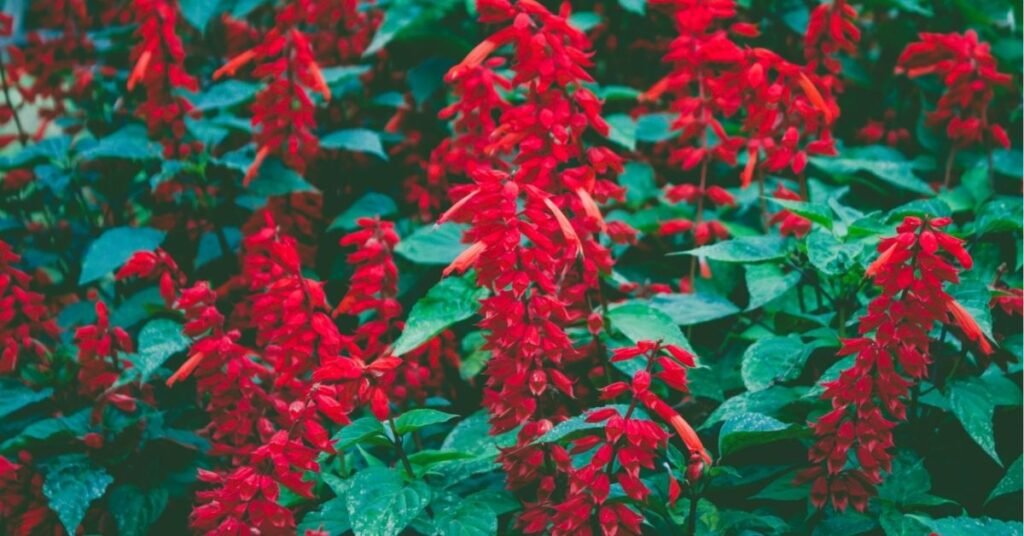
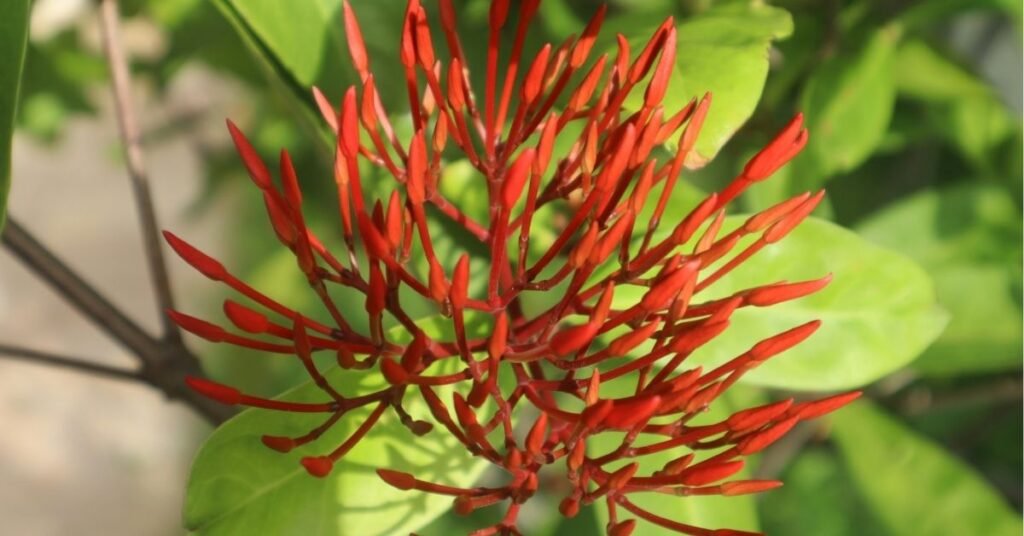
The Firecracker Plant (Russelia equisetiformis) is a stunning ornamental plant known for its long, cascading stems covered with bright tubular red flowers that resemble tiny firecrackers—hence the name. This tropical beauty adds vibrancy, movement, and exotic charm to gardens, balconies, and patios. Its arching stems sway gracefully in the wind, and the plant blooms almost year-round in warm climates, making it a favorite choice for landscape designers and plant lovers.
Native to Mexico, the Firecracker Plant is drought-tolerant, fast-growing, and attracts hummingbirds, butterflies, and bees—perfect for pollinator gardens and tropical-themed landscapes. Whether grown in containers or on the ground, this plant delivers bold color and lush greenery with minimal effort.
In this guide, you will learn everything about growing, caring, and propagating the Firecracker Plant successfully at home.
What Makes the Firecracker Plant Special?
The appeal of the Firecracker Plant lies in its unique characteristics:
- Long, trailing stems like a fountain
- Abundant red, coral, or orange tubular flowers
- Nearly year-round blooms
- Heat and drought tolerance
- Low maintenance & fast growth
- Attracts pollinators like butterflies & hummingbirds
It is perfect for:
- Hanging baskets
- Patio containers
- Rock gardens
- Tropical landscapes
- Borders & poolside planting
Its cascading growth habit makes it ideal for softening hard edges and adding movement and color to any garden space.
Firecracker Plant Care Requirements
1. Light Requirements
The Firecracker Plant thrives best in full sun to partial shade.
| Light Level | Effect |
|---|---|
| Full Sun (6–8 hrs/day) | Most blooms, healthiest growth |
| Partial Shade | Fewer flowers, longer stems |
Tip: Place near a south-facing or west-facing window when growing indoors.
2. Soil Requirements
The Firecracker Plant prefers:
- Well-draining soil
- Slightly sandy or gritty mix
- pH: 6.0 – 7.5
Best Soil Mix
- 50% garden soil or potting mix
- 30% coarse sand or perlite
- 20% compost
Avoid water-logged or clay soils—they cause root rot.
3. Watering Needs
The plant is drought-tolerant once established.
- Water regularly in summer
- Let soil dry slightly between watering
- Reduce watering in winter
Tip: Deep watering promotes stronger roots.
4. Temperature & Humidity
Ideal temperature: 18°C – 32°C
Cannot tolerate frost (below 5°C)
If frost is expected, move indoors or cover.
Humidity: Moderate to high is ideal.
5. Fertilizing
Feed the Firecracker Plant for continuous blooms.
| Season | Fertilizer |
|---|---|
| Spring & Summer | Balanced liquid fertilizer every 15 days |
| Fall | Monthly feeding |
| Winter | No fertilizer needed |
Organic options: compost tea or seaweed extract.
6. Pruning
The plant grows fast and may become leggy.
Prune:
- After flowering
- To maintain bushy shape
- Remove dry stems
Tip: Light pruning regularly encourages dense blooms.
Propagation Methods
1. Stem Cuttings
Most common & easiest way
Steps:
- Take 6–8 inch stem cutting
- Remove lower leaves
- Dip in rooting hormone (optional)
- Plant in sandy soil
- Mist regularly
- Roots develop in 3–5 weeks
2. Seed Propagation
Less common but possible.
- Sow seeds in warm soil
- Keep moist & warm
- Germination in 2–4 weeks
Common Problems & Solutions
| Problem | Cause | Solution |
|---|---|---|
| Yellow leaves | Overwatering | Reduce watering, improve drainage |
| Weak flowering | Low sunlight or poor nutrition | Move to full sun, fertilize |
| Brown leaf tips | Heat stress / low humidity | Increase watering slightly |
| Root rot | Water-logged soil | Repot in well-draining mix |
Pests are rare, but occasionally:
- Aphids
- Spider mites
Treatment: Neem oil spray weekly for prevention.
Firecracker Plant Uses
- Garden borders
- Cascading over walls
- Hanging baskets
- Poolside gardens
- Butterfly & hummingbird gardens
- Tropical and Mexican-style landscapes
Also used for erosion control in slopes.
Best Companion Plants
Pair with:
- Bougainvillea
- Hibiscus
- Lantana
- Mandevilla
- Plumbago
All thrive in sun & warm climates with similar watering needs.
Growing Firecracker Plant in Pots
- Choose 10–15 inch pot
- Ensure drainage holes
- Use sandy, airy mix
- Water deeply but not too frequently
- Fertilize regularly
Tip: Hanging pots show off cascading stems beautifully.
Indoor Growing Guide
- Place near south window
- Maintain bright light
- Avoid overwatering
- Mist occasionally
Indoor blooming is lesser than outdoors but still attractive.
Winter Care
- Move indoors if temp < 5°C
- Reduce watering
- Avoid fertilizing
- Provide bright light
FAQs about Firecracker Plant
Does firecracker plant attract bees and butterflies?
Yes! It attracts butterflies, bees, and hummingbirds naturally.
Is firecracker plant poisonous?
It is non-toxic to humans and pets, making it safe for homes.
Why is my firecracker plant not blooming?
Common reasons:
- Not enough sunlight
- Poor soil or nutrition
- Overwatering
Give more sunlight & balanced fertilizer.
Can the Firecracker Plant grow indoors?
Yes, but needs bright sunlight and good airflow for best results.
How fast does it grow?
It is a fast-growing plant, especially in warm climates.
Conclusion
The Firecracker Plant is a perfect choice for gardeners who want vibrant, low-maintenance color year-round. With sunlight, well-draining soil, and occasional feeding, it flourishes beautifully and brings life to any landscape or balcony.
If you love tropical garden vibes and want a plant that attracts birds and butterflies effortlessly, the Firecracker Plant deserves a spot in your garden!