
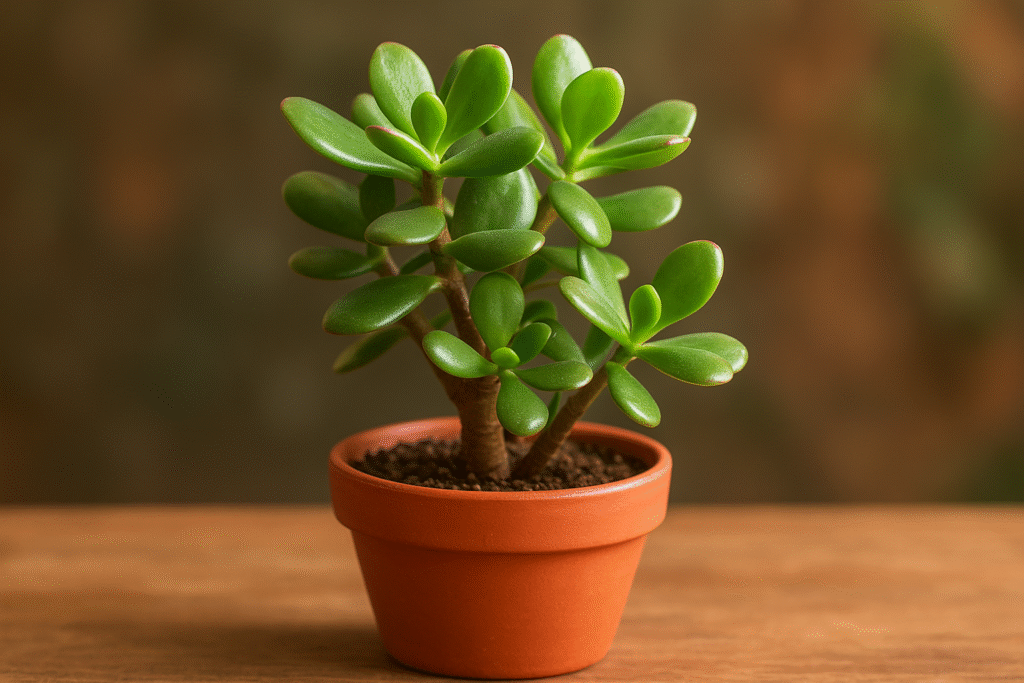
The Jade plant (Crassula ovata) is one of the most popular and low-maintenance houseplants, often associated with good luck, prosperity, and friendship. With its thick, glossy green leaves and tree-like structure, the Jade plant adds a touch of elegance to homes and offices. Beyond its visual appeal, it is also a hardy succulent that thrives with minimal care, making it perfect for beginners and experienced gardeners alike.
In this article, we’ll explore everything you need to know about growing, caring for, and maintaining the Jade plant, including watering, sunlight, soil requirements, and propagation methods.
What Is a Jade Plant?
The Jade plant, also known as the money plant, lucky plant, or friendship tree, belongs to the Crassulaceae family. It is native to South Africa and Mozambique, where it grows in rocky, arid regions. This succulent stores water in its thick, fleshy leaves, allowing it to survive in dry conditions for extended periods.
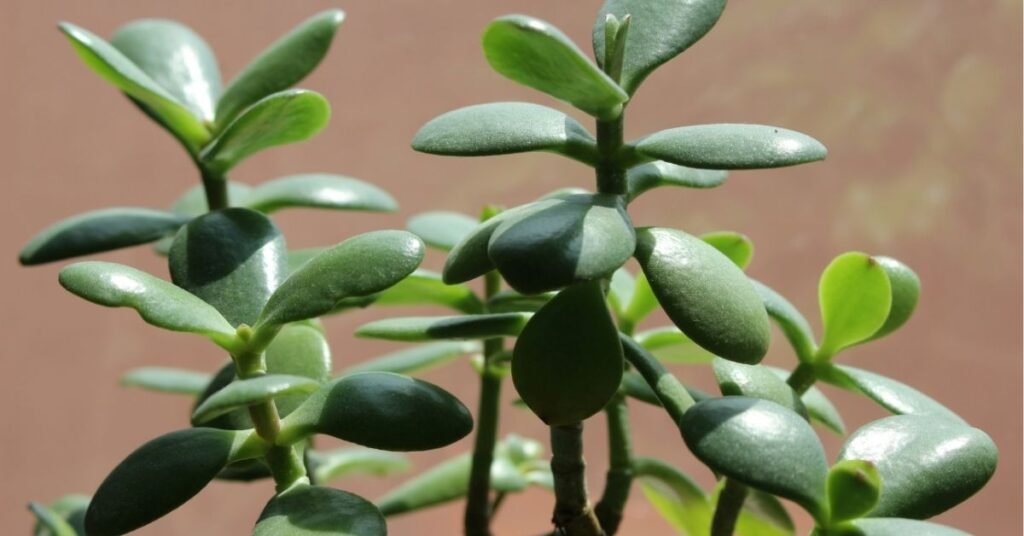
Jade plants are evergreen succulents with smooth, shiny leaves that are typically rich green but may develop red or yellow tinges when exposed to sunlight. Mature plants can produce small, star-shaped pink or white flowers in the winter under the right conditions.
Popular Varieties of Jade Plant
There are several varieties of Jade plants, each with its own unique look. Here are a few of the most common types:
1. Crassula ovata ‘Classic Jade’
The most common variety with rounded green leaves and a tree-like shape.
2. Crassula ovata ‘Hummel’s Sunset’
Known for its golden-yellow leaves with red edges — a truly vibrant cultivar.
3. Crassula ovata ‘Gollum’
Features long, tubular leaves with red tips that resemble the fingers of a cartoon character.
4. Crassula ovata ‘Tricolor’
Has cream and green variegated leaves with pink margins, giving it a colorful, tropical look.
5. Crassula ovata ‘Miniature’
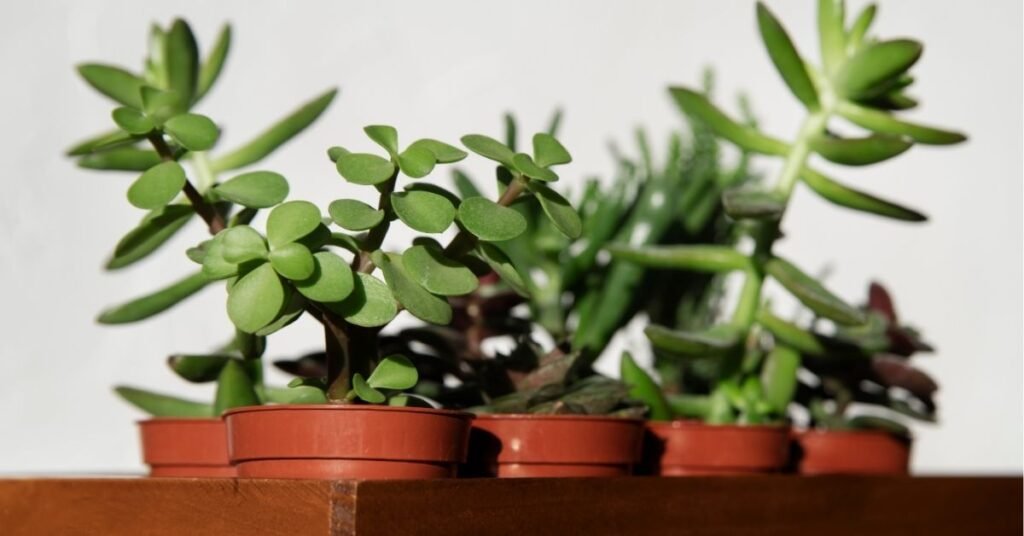
A compact version of the Jade plant, perfect for small pots and limited spaces.
Ideal Growing Conditions
To keep your Jade plant healthy and thriving, it’s essential to provide the right growing environment.
Light Requirements
Jade plants love bright, indirect sunlight. They thrive best in 4–6 hours of daily sunlight, preferably near a sunny window. If placed outdoors, make sure they receive morning sun and partial afternoon shade to avoid leaf burn.
Temperature
They prefer temperatures between 65°F and 75°F (18°C–24°C). Jade plants can tolerate slightly cooler temperatures in winter but should not be exposed to frost. Keep them away from cold drafts and heating vents.
Soil
Use a well-draining cactus or succulent mix to prevent root rot. You can also make your own mix by combining regular potting soil with coarse sand or perlite. A pH level between 6.0 and 7.0 is ideal.
Watering the Jade Plant
Jade plants are succulents, so they don’t need frequent watering. Overwatering is the most common mistake made by beginners.
- Water thoroughly only when the top 1–2 inches of soil are completely dry.
- In summer, watering once every 2–3 weeks is usually enough.
- In winter, reduce watering to once a month or less since the plant goes dormant.
- Always empty excess water from saucers to prevent root rot.
If the leaves start to wrinkle slightly, it’s a sign that the plant needs water. Yellow or mushy leaves usually indicate overwatering.
Fertilizing the Jade Plant
Feed your Jade plant once every 2–3 months during the growing season (spring and summer). Use a balanced, water-soluble fertilizer diluted to half strength. Avoid fertilizing during fall and winter when the plant is resting.
Too much fertilizer can damage the roots, so moderation is key.
Pruning and Shaping
Pruning helps maintain the Jade plant’s shape and encourages new, fuller growth.
- Prune in spring or early summer.
- Use clean scissors to trim overgrown stems or remove leggy branches.
- Always cut above a leaf node to promote branching.
- Remove dead or shriveled leaves regularly.
You can also train your Jade plant to grow like a miniature tree by pruning lower leaves and shaping the top canopy.
Propagation of Jade Plant
Jade plants are one of the easiest plants to propagate, either from stem cuttings or leaf cuttings.
Propagation by Stem Cuttings:
- Cut a healthy stem about 3–4 inches long.
- Let the cutting dry for a day or two until the cut end forms a callus.
- Place it in a small pot filled with well-draining soil.
- Mist lightly and keep it in indirect sunlight.
- Roots should begin to form in 2–4 weeks.
Propagation by Leaf Cuttings:
- Gently twist a healthy leaf from the main stem.
- Allow it to dry for a couple of days.
- Place it on top of moist soil and mist occasionally.
- New roots and baby plants will start to form at the base of the leaf.
Common Problems and Solutions
Although the Jade plant is low-maintenance, it can face a few issues if not cared for properly.
1. Leaf Drop
Caused by overwatering or sudden changes in temperature. Maintain a stable environment.
2. Wrinkled Leaves
A sign of underwatering — give it a thorough drink and adjust watering frequency.
3. Soft, Mushy Stems
Indicate root rot due to waterlogged soil. Repot the plant in dry, well-draining soil.
4. Pests
Watch out for mealybugs and spider mites. Clean leaves with a damp cloth and apply neem oil if needed.
Benefits of Jade Plant
- Symbol of Prosperity: Often regarded as a lucky charm, believed to attract wealth and success.
- Air Purifying: Helps improve indoor air quality by absorbing carbon dioxide and releasing oxygen.
- Low Maintenance: Perfect for busy homeowners and beginners.
- Long Lifespan: Can live for decades with proper care — even passed down through generations.
- Aesthetic Appeal: Adds a natural, elegant touch to homes, offices, and desks.
Seasonal and Indoor Care Tips
- Rotate your plant regularly for even light exposure.
- Wipe leaves to remove dust and allow better light absorption.
- During winter, place it near a window with bright light and reduce watering.
- Repot every 2–3 years in fresh soil to promote healthy root growth.
Conclusion
The Jade plant is a timeless favorite among plant lovers, combining beauty, resilience, and symbolism. With its glossy green leaves, low water needs, and adaptability, it’s one of the easiest indoor plants to grow. Whether you believe in its good luck charm or simply admire its natural beauty, the Jade plant brings positive energy and elegance into any space.
By following the right care steps — providing sunlight, well-draining soil, and minimal watering — your Jade plant will thrive for years, symbolizing growth and prosperity in your home.