

If you want to give your home or garden a fresh, tropical look, the Clusia plant is a fantastic choice. Known for its glossy green leaves, low maintenance needs, and unique “autograph” feature, this plant has become popular for both indoor decoration and outdoor landscaping.
In this guide, we’ll cover everything you need to know about growing and maintaining Clusia plants — from light and watering requirements to pruning, soil mix, and FAQs.
What Is a Clusia Plant?
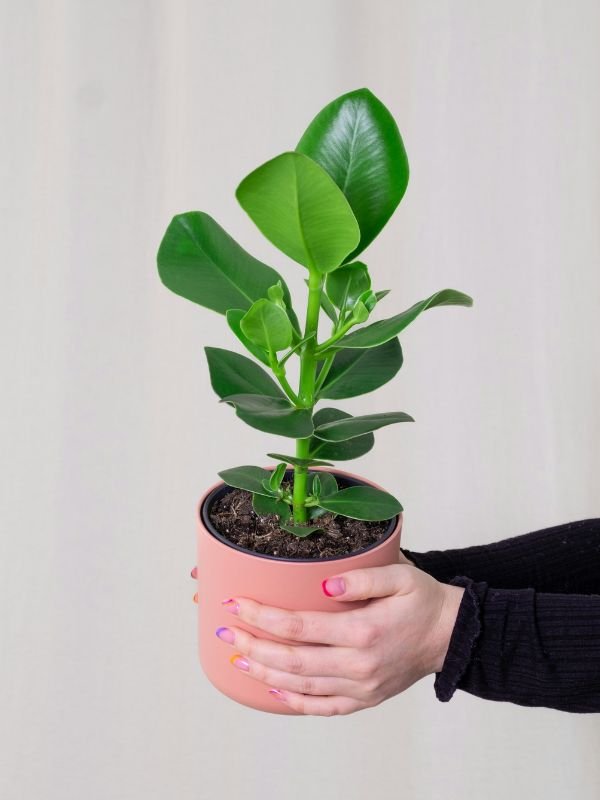
The Clusia plant is a tropical evergreen shrub native to the Caribbean and Central America. Its thick, leathery, and shiny leaves make it stand out as a stunning ornamental plant.
The two most common types are:
- Clusia rosea (Autograph Tree)
- Clusia guttifera (Small-leaf Clusia)
Clusia rosea is called the “autograph tree” because you can write on its thick leaves with a fingernail or pen, and the markings stay for a long time.
Light Requirements
Clusia plants love bright, indirect light.
- Indoors: Place them near a sunny window with filtered light.
- Outdoors: Partial sunlight or light shade is best.
Too much direct sun can burn the leaves, while too little light slows growth. Indoor Clusia plants do best when rotated occasionally so all sides get light evenly.
Watering Schedule
Although Clusia is drought-tolerant, consistent watering keeps it healthy.
- Spring & Summer: Water once or twice a week, when the top inch of soil feels dry.
- Autumn & Winter: Water less frequently, around every 10–14 days.
Avoid overwatering — it can cause root rot. Always use well-draining soil and pots with drainage holes.
Best Soil & Fertilizer
Soil Mix
Clusia thrives in light, well-draining soil. A good mix includes:
- 1 part garden soil
- 1 part peat moss or coco peat
- 1 part perlite or coarse sand
This combination allows proper air circulation and prevents waterlogging.
Fertilizer Tips
- Use a balanced liquid fertilizer (10-10-10) every 4–6 weeks during spring and summer.
- Stop fertilizing in winter to give the plant a rest period.
Pruning & Maintenance
Clusia plants grow quickly and may become bushy if not pruned.
- Prune once or twice a year to maintain shape and size.
- Remove yellow or dead leaves regularly.
- Pruning encourages new, healthy growth and helps keep the plant looking neat.
For outdoor hedges, regular trimming is essential to keep them dense and uniform.
Common Pests & Problems
Clusia plants are usually pest-resistant, but they can occasionally face:
- Mealybugs – white cottony insects
- Scale insects – sticky leaves and slow growth
- Root rot – caused by overwatering
Solution: Neem oil spray or insecticidal soap works well for pest control. Avoid letting water sit in the soil for long periods.
Clusia Indoors vs Outdoors
| Feature | Indoor | Outdoor |
|---|---|---|
| Growth Rate | Slow to Medium | Fast |
| Light Needs | Bright, indirect light | Partial to full sun |
| Pruning | Occasional | Regular needed |
| Best Use | Décor, air purification | Hedges, privacy walls |
Indoor Clusia plants add a clean, modern tropical vibe, while outdoor ones are excellent for hedges and natural privacy screens.
Benefits of Clusia Plant
- Air Purifier: Helps filter indoor toxins.
- Aesthetic Appeal: Glossy leaves and dense growth enhance modern décor.
- Low Maintenance: Perfect for busy people — survives with minimal care.
- Versatile: Works well in pots, hedges, or garden beds.
- Durable: Can tolerate different conditions once established.
Frequently Asked Questions (FAQs)
1. Is Clusia easy to grow?
Yes, Clusia plants are easy to grow and great for beginners. They are drought-tolerant and resistant to many common plant diseases.
2. Can Clusia grow in full sun?
Mature Clusia plants can handle full sun, especially outdoors, but young plants prefer partial sunlight to avoid leaf burn.
3. How fast does Clusia grow?
Outdoors, Clusia hedges can grow 2–3 feet per year. Indoors, growth is slower due to limited light.
4. Can I grow Clusia in pots?
Absolutely! Clusia plants do well in pots as long as the container has drainage holes and is not overwatered.
5. Is Clusia plant toxic?
Yes, Clusia’s sap can irritate skin and is mildly toxic if ingested. Keep it away from children and pets.
Final Thoughts
The Clusia plant is a beautiful, hardy, and versatile choice for both indoor and outdoor gardening. Whether you want a lush houseplant or a natural hedge for privacy, Clusia fits perfectly. Just give it bright light, moderate watering, and occasional pruning, and it will reward you with vibrant, glossy foliage year-round.