

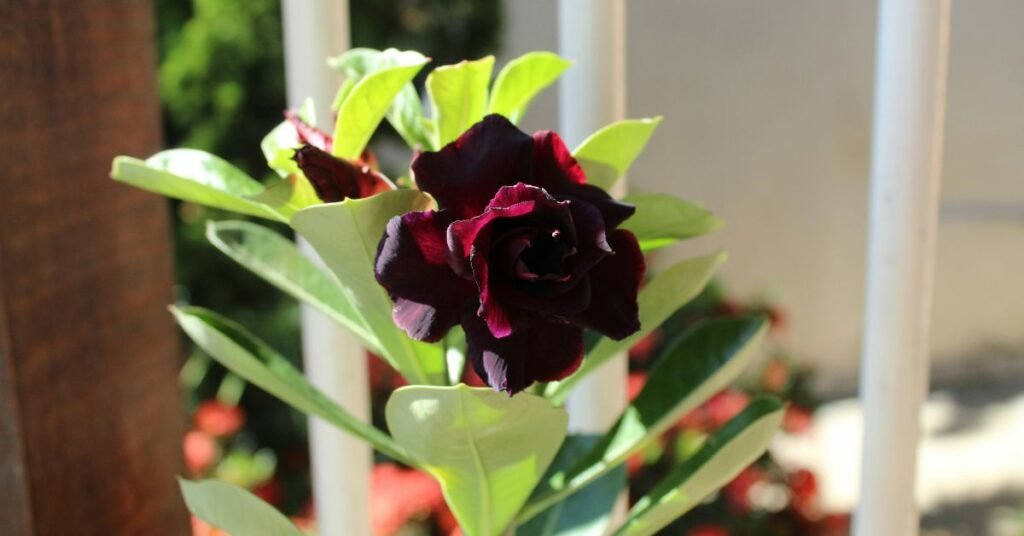
The Black Rose Succulent is one of the most striking and unique plants you can grow at home. With its deep purple-black rosettes and sculptural shape, it looks like a living piece of art. This plant adds a dramatic and modern touch to gardens, balconies, and indoor spaces.
If you’re looking for a low-maintenance but eye-catching plant, the Black Rose Succulent is a perfect choice. In this detailed guide, we’ll cover everything — from its origin and care requirements to sunlight, watering tips, benefits, common problems, and FAQs.
Introduction to Black Rose Succulent
The Black Rose Succulent (scientific name: Aeonium arboreum ‘Zwartkop’) is a popular variety of succulent known for its dark, almost black leaves arranged in stunning rosettes. It belongs to the Crassulaceae family and originates from the Canary Islands.
The plant can grow up to 3–4 feet tall with multiple branching stems and rosettes that resemble black roses. When exposed to full sunlight, the leaves deepen into a rich, dramatic purple-black color, making it a favorite among succulent collectors and landscape designers.
Fun Fact: The name “Zwartkop” comes from Dutch and means “black head,” referring to the dark color of its rosettes.

Ideal Sunlight for Black Rose Succulent
Sunlight plays a key role in maintaining the rich dark color of the Black Rose Succulent.
- This plant thrives in full sun — around 4–6 hours of direct sunlight daily is ideal.
- In hot climates, it appreciates some light shade in the afternoon to avoid leaf burn.
- If grown indoors, place it near a bright south- or west-facing window where it can receive plenty of light.
Without enough sunlight, the leaves can turn greenish and lose their signature dark hue.
Pro Tip: Gradually increase sun exposure if moving from indoors to outdoors. Sudden change can cause sunburn.
Best Soil for Black Rose Succulent
Succulents need well-draining soil, and the Black Rose Succulent is no exception.
- Use cactus or succulent mix soil that drains quickly.
- You can make your own mix by combining:
- 2 parts potting soil
- 1 part perlite or pumice
- 1 part coarse sand
- Avoid heavy clay soils, as they retain moisture and can cause root rot.
A pot with drainage holes is essential to prevent excess water buildup.
Watering the Black Rose Succulent
One of the most common mistakes people make is overwatering succulents.
Watering Tips:
- Water only when the top 1–2 inches of soil are completely dry.
- During the growing season (spring and fall), water moderately but deeply.
- In winter and summer dormancy, reduce watering significantly.
- Always let excess water drain out of the pot.
Overwatering can lead to root rot, mushy stems, and leaf drop. Underwatering is easier to fix than overwatering.
Pro Tip: Use the “soak and dry” method — water thoroughly, then wait until the soil dries completely before watering again.
5. Temperature & Humidity Requirements
The Black Rose Succulent prefers a warm, dry climate, similar to its native Canary Islands.
- Ideal temperature: 18–27°C (65–80°F)
- It can tolerate mild frost but should be protected during freezing temperatures.
- Humidity should be low to moderate; excessive humidity can encourage fungal issues.
If you live in a colder region, it’s best to grow the plant in a pot so you can move it indoors during winter.
6. Pruning & Maintenance
Regular pruning helps keep your Black Rose Succulent healthy and attractive.
- Remove any dead, dry, or damaged leaves at the base.
- Cut back leggy stems to encourage bushier growth.
- Clean rosettes gently to remove dust and debris.
- Repot the plant every 2–3 years or when it outgrows its pot.
Pro Tip: Always use sterilized scissors or pruning shears to prevent disease spread.
Fertilizing Black Rose Succulent
Fertilizing helps promote healthy growth, especially during the active season.
- Use a balanced, diluted succulent fertilizer once a month during spring and fall.
- Avoid fertilizing in summer dormancy and winter rest periods.
- Over-fertilization can lead to soft, weak growth and loss of dark coloration.
Organic compost can also be used sparingly for a slow nutrient boost.
Common Problems & Pests
Although generally low-maintenance, the Black Rose Succulent can face a few issues:
1. Root Rot
- Caused by overwatering or poor drainage.
- Solution: Remove affected parts, replant in fresh dry soil, and adjust watering habits.
2. Aphids or Mealybugs
- These pests can attack new growth or undersides of leaves.
- Solution: Use neem oil spray, insecticidal soap, or manually wipe pests off.
3. Leggy Growth
- Happens due to insufficient sunlight.
- Solution: Move plant to a sunnier location and prune stretched stems.
4. Leaf Drop
- Usually from sudden temperature changes or excessive watering.
- Solution: Stabilize environment and water less frequently.
Benefits of Growing Black Rose Succulent
Growing a Black Rose Succulent comes with several amazing benefits:
- Unique Aesthetic: Its dark, rose-shaped rosettes add elegance and drama to any setting.
- Low Maintenance: Perfect for busy plant lovers or beginners.
- Drought Tolerant: Requires minimal watering and thrives in dry conditions.
- Great for Landscaping: Looks stunning in rock gardens, pots, or modern minimalistic gardens.
- Stress-Relieving: Caring for succulents is therapeutic and brings calmness to indoor spaces.
Propagation of Black Rose Succulent
Propagation is a fun and easy way to multiply your Black Rose Succulent.
Steps for Stem Cutting Propagation:
- Select a healthy stem and cut it below a rosette.
- Let the cutting dry for 2–3 days until the cut end forms a callus.
- Plant the cutting in well-draining soil.
- Water sparingly until roots develop.
- Place in bright indirect sunlight.
Within a few weeks, new roots and rosettes will form, and you’ll have a brand-new plant!
FAQs About Black Rose Succulent
Q1. Is Black Rose Succulent really black?
The leaves are actually a very dark purple, which appears almost black, especially in full sunlight.
Q2. Can Black Rose Succulent grow indoors?
Yes, it can, provided it receives plenty of bright light. Place it near a sunny window for best results.
Q3. How often should I water my Black Rose Succulent?
Only when the soil is completely dry. Typically every 1–2 weeks, depending on the season and location.
Q4. Does Black Rose Succulent bloom?
Yes! In spring, mature plants may produce yellow star-shaped flowers on tall stalks. After flowering, that rosette may die but new offsets usually grow around it.
Q5. Why is my Black Rose Succulent turning green?
Lack of sunlight is the most common reason. Move the plant to a sunnier spot to restore its dark color.
Q6. Is Black Rose Succulent toxic to pets?
It is generally considered non-toxic, but it’s best to keep it out of reach of curious pets to avoid digestive upset.
Final Thoughts
The Black Rose Succulent is a bold and elegant addition to any plant collection. With its deep dark rosettes and minimal care requirements, it’s perfect for both beginners and experienced gardeners. By providing plenty of sunlight, proper soil, and careful watering, your Black Rose Succulent will thrive and become a stunning focal point in your home or garden.
Whether you’re looking to decorate your balcony, garden, or living room, this plant never fails to impress. Its unique look, combined with easy maintenance, makes it one of the most desirable succulents worldwide.